
Introduction
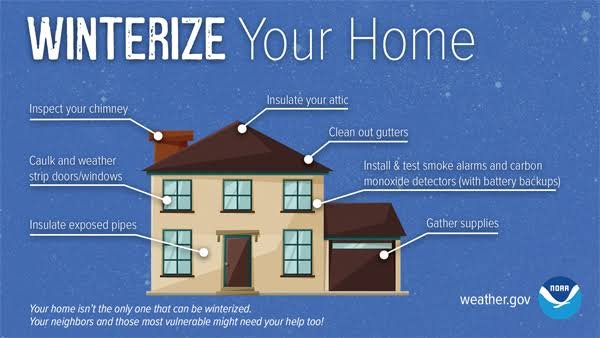
Preparing your home for winter in the United States is an important part of protecting your property, reducing energy costs, and keeping your family comfortable during colder months. Winter weather varies significantly across the country. Homes in Minnesota, Michigan, and North Dakota may face freezing temperatures, heavy snow, and ice, while properties in Texas, Georgia, and other southern states may experience shorter cold spells, freezing rain, or occasional severe winter storms. Coastal regions can face strong winds and heavy rain, while mountain communities may deal with substantial snowfall and difficult road conditions.
Regardless of where you live, preparing before temperatures drop can help prevent expensive repairs and unexpected problems. Cold weather can place additional stress on heating systems, plumbing, roofs, windows, doors, and electrical equipment. A small issue that seems harmless during summer, such as a loose window seal or a slow plumbing leak, can become a significant problem when freezing conditions arrive.
Winter preparation does not have to involve expensive renovations. Many useful improvements are relatively simple, including replacing furnace filters, sealing air leaks, cleaning gutters, testing smoke alarms, insulating exposed pipes, and checking weather-stripping around doors. Other tasks, such as servicing a furnace, inspecting a fireplace, or repairing roof damage, may require professional assistance.
Homeowners should also consider emergency readiness. Winter storms can interrupt electricity, restrict travel, and make it difficult to obtain supplies. A basic emergency kit, working flashlights, charged power banks, adequate heating arrangements, and a family communication plan can make unexpected disruptions easier to manage.
Renters can also benefit from winter preparation. Although they may not be responsible for major repairs, they can report maintenance issues promptly, protect accessible pipes, close windows properly, and learn how to respond if the heating system fails.
This guide explains how to prepare your home for winter in the USA, covering heating, insulation, plumbing, roofing, windows, energy efficiency, safety, outdoor maintenance, and emergency supplies. By following a practical checklist and addressing the most important tasks early, you can reduce winter risks and make your home more comfortable throughout the season.
1. Inspect Your Home Before Winter Arrives
The first step in winter preparation is to inspect the property before freezing weather begins. A careful inspection helps identify small problems while there is still time to address them safely and affordably.
Walk around the exterior of your home and look for visible damage. Check the roofline, gutters, siding, foundation, exterior doors, windows, and areas where utility lines enter the building. Loose materials, damaged seals, cracks, and signs of water intrusion deserve attention before cold weather makes repairs more difficult.
Inside the home, check ceilings and walls for water stains, peeling paint, drafts, or areas that feel unusually cold. Examine the basement, attic, garage, and utility room because problems in these areas may affect the entire property. Look for signs of moisture, mold, pests, or damaged insulation.
Make a list of the issues you discover and prioritize them according to urgency. Problems involving gas leaks, exposed electrical wiring, significant roof damage, or a malfunctioning heating system should be addressed promptly by qualified professionals. Minor cosmetic repairs can often wait until after essential safety issues have been resolved.
Homeowners should also review the maintenance records for major systems. If the furnace has not been serviced recently, the roof has not been inspected for several years, or the plumbing has a history of freezing, arrange the necessary checks before winter demand increases.
Renters should report significant maintenance concerns to their landlord or property manager in writing. Keeping a record of the problem and the date it was reported can be useful if the issue is not resolved promptly.
A pre-winter inspection provides a clear starting point and helps ensure that the most important tasks are completed before severe weather arrives.
2. Service Your Heating System
Your heating system is one of the most important parts of your home during winter. Whether you use a furnace, boiler, heat pump, electric baseboard heaters, or another system, it should be inspected and tested before temperatures become extremely low.
A heating system that has not been maintained may operate inefficiently, distribute heat unevenly, or fail when you need it most. Routine maintenance can help identify worn components, airflow problems, and other issues before they become emergencies.
Schedule Professional Heating Maintenance
Arrange an inspection with a qualified HVAC technician before the start of the heating season. The technician can examine the equipment, check its operation, inspect relevant safety components, and identify problems that require attention.
For a gas furnace, professional maintenance is particularly important because the equipment burns fuel to generate heat. A technician can inspect the combustion system, venting, and other components to help identify unsafe conditions. Never ignore unusual odors, repeated shutdowns, soot, or signs that exhaust gases may not be venting properly.
Heat pumps also benefit from routine maintenance. These systems transfer heat rather than generating it through combustion, but they still depend on clean filters, unobstructed airflow, and properly functioning components. In very cold climates, homeowners should understand how their particular heat pump performs at low temperatures and whether supplemental heating is part of the system.
Do not wait until the first major cold spell to discover that the furnace will not start. Heating contractors may be busy during periods of extreme weather, making advance maintenance especially valuable.
Replace or Clean Air Filters
A dirty air filter can restrict airflow and make some heating systems work harder than necessary. Check the filter regularly and replace or clean it according to the manufacturer’s instructions.
Filter replacement frequency depends on the type of filter, household conditions, pets, dust levels, and how often the system operates. Some filters need attention monthly, while others may last longer. Follow the recommendations for your specific equipment rather than relying on one universal schedule.
Choose a filter that is compatible with the system. A filter with a higher efficiency rating is not automatically suitable if the equipment is not designed to handle its airflow resistance.
Test the Thermostat
Check that your thermostat responds correctly and maintains a comfortable indoor temperature. Replace batteries if required, confirm that the heating schedule is correct, and make sure the thermostat is not affected by direct sunlight, drafts, or nearby heat sources.
A programmable or smart thermostat may help reduce energy use by lowering the temperature when the home is unoccupied or residents are asleep. However, schedules should account for the household’s needs, the local climate, and the type of heating system.
For heat pumps, avoid aggressive temperature setbacks unless the system’s manufacturer recommends them. Some setups may activate less efficient supplemental heat when the thermostat is raised sharply.
Keep Heating Vents Clear
Make sure furniture, rugs, curtains, and other objects do not block supply vents or return-air grilles. Restricted airflow can affect comfort and system performance.
Do not close numerous vents in an attempt to redirect heat unless the system’s manufacturer or a qualified technician advises it. In some forced-air systems, closing too many vents can create pressure problems and reduce efficiency.
3. Seal Drafts Around Doors and Windows
Air leaks can make a home feel cold even when the heating system is working correctly. Drafts often occur around windows, exterior doors, attic access panels, utility penetrations, and gaps where building materials meet.
Sealing these openings helps reduce unwanted air movement and can improve comfort. It may also reduce the amount of heated air that escapes from the house, although the savings depend on the size of the leaks and the home’s overall efficiency.
Inspect Window Seals
Close each window and check for visible gaps, loose weather-stripping, cracked caulk, or damaged frames. On a cold day, you may notice air movement around poorly sealed windows. A tissue held near the frame can sometimes help reveal a draft.
Replace worn weather-stripping and repair damaged caulk using products suitable for the material and location. Exterior caulk must be appropriate for outdoor temperature changes and exposure to moisture.
Do not seal drainage openings designed into modern windows. These openings allow water to escape and should remain clear.
Improve Exterior Door Seals
Check the weather-stripping around exterior doors and make sure the door closes securely. A visible gap beneath a door can allow cold air to enter and warm air to escape.
Door sweeps can help reduce drafts at the bottom of exterior doors. Replace damaged seals and adjust loose hardware when appropriate. If a door does not close properly because the frame has shifted, a more substantial repair may be necessary.
Pay attention to doors leading into garages, basements, and utility spaces. These areas may become cold and can affect comfort in nearby rooms.
Use Window Insulation Products Carefully
Temporary window insulation film can help reduce drafts in some older homes. Thermal curtains may also improve comfort by limiting heat transfer through windows, although they should not obstruct required ventilation or heating equipment.
Keep curtains clear of radiators, space heaters, and other heat sources. Do not cover heating vents or use materials that create a fire hazard.
If you plan to replace old windows, compare the cost with other improvements such as air sealing and attic insulation. Window replacement can be expensive, and sealing major leaks may be a more cost-effective first step.
4. Insulate Your Attic, Basement, and Exposed Areas
Insulation helps slow the movement of heat between your home and the outdoors. When insulation is inadequate, the heating system may need to run longer to maintain the desired temperature, and rooms may feel uncomfortable during cold weather.
The attic is often an important place to begin because heat naturally rises and can escape through an inadequately insulated ceiling. However, the appropriate insulation level depends on the climate zone, building design, and existing materials.
Check Attic Insulation
If you can safely access the attic, look for areas where insulation is thin, compressed, displaced, or missing. Also check for signs of water damage, pest activity, or air leaks around pipes and electrical penetrations.
Do not block soffit vents or other ventilation pathways. Proper attic ventilation and air sealing serve different purposes, and both may be necessary depending on the roof design.
Some insulation materials can irritate the skin and respiratory system. Wear suitable protective equipment and avoid disturbing materials that may contain asbestos or other hazardous substances. If you are unsure what an older material contains, seek professional advice before touching it.
Insulate Crawl Spaces and Basements
Cold air entering through a crawl space or poorly insulated basement can make the floors above feel cold. Moisture in these areas can also contribute to building damage and indoor air-quality problems.
Inspect accessible areas for drafts, damaged insulation, water intrusion, and gaps around pipes. The correct approach depends on whether the crawl space is vented, sealed, or designed as part of the conditioned space.
Do not cover active moisture problems with insulation. Water intrusion should be addressed first, and insulation work should follow an appropriate moisture-control strategy.
Seal Gaps Around Utility Openings
Small openings around plumbing pipes, electrical conduits, and other penetrations can allow air to move between indoor and outdoor spaces. Suitable sealants can help reduce these leaks.
Use materials appropriate for the location. Some openings require fire-rated sealing products, and certain gaps should only be repaired by qualified professionals. Never apply ordinary foam around hot flues or other surfaces that require special clearances.
A well-insulated home is not simply one with thick insulation everywhere. Effective winter performance also depends on air sealing, moisture management, proper ventilation, and correctly functioning heating equipment.
5. Protect Your Plumbing From Freezing
Frozen pipes are among the most expensive winter problems homeowners can face. When water freezes inside a pipe, it expands and can create pressure that damages the pipe. A pipe may burst during freezing conditions or leak after temperatures rise and the ice begins to melt.
Homes in colder parts of the USA are especially vulnerable, but freezing can also occur in southern regions during unusual cold snaps. Pipes in exterior walls, unheated garages, crawl spaces, basements, and poorly insulated cabinets may be at greater risk.
Insulate Exposed Pipes
Inspect accessible plumbing in unheated areas and add suitable pipe insulation where needed. Pay particular attention to pipes near exterior walls, in crawl spaces, and inside garages.
Pipe insulation helps slow heat loss, but it does not generate heat. In extremely cold conditions, additional measures may be needed, such as improving the surrounding insulation or using an approved pipe-heating cable installed according to the manufacturer’s instructions.
Do not use open flames or improvised heating devices to warm frozen pipes.
Disconnect Outdoor Hoses
Before freezing weather arrives, disconnect garden hoses from outdoor faucets. Drain them and store them in a protected location.
If your home has a shutoff valve for an outdoor faucet, close it when appropriate and follow the faucet manufacturer’s instructions for draining the line. Some outdoor faucets are designed to resist freezing, but they can still be damaged if hoses remain attached and trap water.
Know Where Your Main Water Shutoff Is Located
Learn how to turn off the home’s main water supply. If a pipe bursts, shutting off the water quickly can reduce flooding and property damage.
Make sure the shutoff valve is accessible and can be operated safely. If it is stuck, leaking, or difficult to identify, ask a plumber to inspect it before winter.
If you leave the home for an extended period during freezing weather, consider whether the water supply should be shut off and the plumbing drained. The correct procedure depends on the heating system, plumbing layout, and any equipment that requires water.
Keep Cabinet Doors Open When Appropriate
During severe cold, opening cabinet doors beneath sinks on exterior walls can allow warmer room air to reach the plumbing. This can help reduce the risk of freezing in some homes.
Move household chemicals and cleaning products away from children and pets before leaving cabinets open. This measure is not a substitute for proper insulation or heating.
What to Do if Pipes Freeze
If you suspect a frozen pipe, turn off the water supply if a leak or burst is possible, and contact a qualified plumber. If a pipe is accessible and there is no sign of damage, gentle warming may be possible using safe methods recommended by a professional.
Never use a blowtorch, open flame, charcoal burner, or outdoor heater to thaw plumbing. These methods can cause fires, damage pipes, and create serious safety hazards.
6. Clean Gutters and Downspouts
Gutters and downspouts help direct rainwater and melting snow away from the house. When leaves, twigs, and debris block them, water can overflow and collect near the foundation. In freezing weather, trapped water can contribute to ice buildup and additional damage.
Clean gutters before heavy snowfall or freezing rain becomes common. Remove leaves and debris, then check that water can flow through the downspouts without obstruction.
Inspect gutter brackets and connections for loose sections, sagging, or visible damage. Make sure downspouts discharge water away from the foundation rather than allowing it to pool directly beside the house.
Use appropriate ladder safety practices, and avoid climbing onto icy or wet roofs. If the roof is steep, high, or difficult to access, hire a qualified professional.
Gutter guards may reduce the amount of debris entering the system, but they do not eliminate maintenance. Some designs still require periodic cleaning and inspection.
Also look for signs of water damage around fascia boards, soffits, and exterior walls. Repairing these problems before winter can help prevent moisture from entering the structure.
7. Inspect the Roof Before Snow and Ice Arrive
A roof protects the home from rain, snow, wind, and freezing temperatures. Small defects can become more serious when snow accumulates or water repeatedly freezes and thaws.
From the ground, look for missing shingles, damaged flashing, sagging sections, loose roofing materials, or debris collecting in valleys. Inside the attic, check for signs of water stains, damp insulation, or daylight entering through areas where it should not be visible.
Do not climb onto a roof that is wet, icy, steep, or unfamiliar. Roof inspections and repairs can be dangerous, especially during winter. Arrange professional service when damage is suspected.
Check Flashing and Roof Penetrations
Flashing protects vulnerable areas around chimneys, vents, skylights, and roof intersections. Damaged flashing can allow water to enter the home, sometimes without producing obvious exterior signs.
A qualified roofer can inspect these areas and repair defects before winter precipitation arrives.
Understand Ice Dams
Ice dams can form when snow on a roof melts and water refreezes near the colder roof edge. This can prevent additional meltwater from draining properly and may cause water to back up beneath roofing materials.
Uneven roof temperatures, heat escaping into the attic, inadequate insulation, and ventilation problems can contribute to ice dams. Addressing air leaks and attic insulation may help reduce the risk, depending on the home’s design.
Do not climb onto an icy roof or attempt to remove heavy ice with sharp tools. Professional assistance is safer when ice buildup becomes significant.
Prepare for Heavy Snow
Homes in snowy regions should be evaluated according to local weather conditions and building requirements. If heavy snow accumulation is a recurring concern, ask a qualified professional whether the roof and supporting structure need inspection.
Avoid piling additional snow against vulnerable structures or blocking drainage routes. Keep an eye on unusual sagging, cracking sounds, or other signs of structural stress and seek immediate professional assistance if you suspect a serious problem.
8. Prepare Your Fireplace and Chimney
A fireplace can make a home more comfortable during winter, but it must be maintained carefully. Wood-burning fireplaces, gas fireplaces, and wood stoves have different safety requirements, so preparation should match the equipment installed in your home.
Schedule a Chimney Inspection
If you use a wood-burning fireplace or stove, arrange for the chimney and venting system to be inspected and cleaned when necessary by a qualified professional. Creosote, a combustible residue produced by burning wood, can accumulate inside chimneys and contribute to chimney fires.
The professional should check for obstructions, damage, and signs of deterioration. Bird nests, leaves, and other debris can interfere with proper venting.
Do not assume that a chimney is safe simply because it looks clean from the fireplace opening. Some problems are hidden inside the flue or occur in areas that cannot be inspected from the room.
Burn Suitable Firewood
Use properly seasoned firewood intended for indoor burning. Wet or unseasoned wood tends to produce more smoke and can contribute to creosote buildup. Never burn treated lumber, painted wood, plastic, or household waste in a fireplace.
Keep firewood stored safely away from the house where practical, and bring indoors only the amount needed for immediate use. This can help reduce the chance of bringing insects inside.
Use Fireplace Screens and Proper Ventilation
Use a suitable screen or glass enclosure to reduce the risk of sparks escaping. Keep furniture, decorations, paper, and other combustible materials away from the fireplace.
Never leave a fire unattended, and make sure it is fully extinguished before going to bed or leaving the house. Dispose of ashes only after they have cooled completely, placing them in a suitable metal container away from combustible materials.
Gas fireplaces also require inspection and maintenance. Follow the manufacturer’s instructions and never modify the burner or venting system yourself.
A fireplace should not be used as a substitute for a properly maintained central heating system unless it is specifically designed and approved for that purpose.
9. Test Smoke Alarms and Carbon Monoxide Detectors
Winter can increase the risk of residential fires and carbon monoxide exposure because heating equipment, fireplaces, and portable heaters may be used more frequently.
Smoke alarms and carbon monoxide detectors are essential parts of home safety. Test the devices according to the manufacturer’s instructions and replace batteries or units as required.
Check Smoke Alarms
Smoke alarms should be installed in the locations required by applicable codes and safety recommendations. In many homes, alarms are needed inside bedrooms, outside sleeping areas, and on every level of the house.
Press the test button on each alarm and make sure it responds correctly. Testing confirms that the device’s alarm function works, although it does not necessarily verify every sensing component.
Replace alarms that have reached the end of their service life. Follow the manufacturer’s replacement schedule, which is commonly around ten years for many smoke alarms, but the exact period depends on the model.
Install Carbon Monoxide Detectors
Carbon monoxide is an odorless, colorless gas that can be produced by fuel-burning appliances and vehicles. It can be dangerous because people cannot reliably detect it using their senses.
Install carbon monoxide alarms in the locations recommended by the manufacturer and local requirements, particularly near sleeping areas. If the home has fuel-burning equipment or an attached garage, appropriate detection is especially important.
Never ignore a carbon monoxide alarm. If it sounds, move everyone outside into fresh air, contact emergency services from a safe location, and do not re-enter until authorities say it is safe.
Symptoms of carbon monoxide exposure can include headache, dizziness, nausea, weakness, and confusion. If exposure is suspected, leave the building and seek emergency assistance immediately.
Maintain Heating Equipment Safely
Have fuel-burning appliances inspected as recommended and make sure exhaust vents remain unobstructed. Never use a gas oven, charcoal grill, camping stove, or outdoor generator to heat indoor living spaces.
These devices can produce dangerous carbon monoxide levels. A cracked heat exchanger, blocked flue, or improperly vented appliance can also create hazards, which is why professional inspection matters.
10. Prepare for Winter Power Outages
Winter storms can bring down trees and power lines, damage electrical equipment, and leave homes without electricity for hours or longer. A power outage may also interrupt heating, refrigeration, internet access, and the ability to charge phones.
Preparing before a storm can reduce stress and help your household respond safely.
Build an Emergency Supply Kit
Keep enough basic supplies to support your household during a temporary disruption. Your kit should reflect the number of people in the home, local weather risks, medical needs, and the possibility that roads may become impassable.
Useful items include drinking water, nonperishable food, flashlights, extra batteries, a first-aid kit, essential medications, a battery-powered or hand-crank radio, phone power banks, warm clothing, blankets, and hygiene supplies.
Include food and supplies for infants, older adults, people with disabilities, and pets where applicable. Check expiration dates and replace used items before winter begins.
Keep the kit in a location that household members can access quickly. Everyone should know where the supplies are stored.
Charge Electronic Devices
Charge mobile phones, tablets, power banks, and other essential devices before severe weather arrives. A portable battery can help keep a phone operating during an outage, but it should be stored and used according to the manufacturer’s safety instructions.
Consider keeping a car charging cable available, but avoid running a vehicle inside a garage or enclosed space to charge devices. Vehicle exhaust can create deadly carbon monoxide levels, even when the garage door is open.
Use Generators Safely
A portable generator can provide backup electricity when used correctly, but it must never operate inside a home, basement, garage, shed, or other enclosed or partially enclosed space. Place it outdoors at a safe distance from windows, doors, and air intakes, following the manufacturer’s instructions and applicable safety guidance.
Never connect a generator directly to household wiring without a properly installed transfer switch. Improper connections can cause electrical fires and send electricity back into utility lines, putting workers and others at risk.
Use only suitable, properly rated extension cords and keep the generator dry while ensuring adequate ventilation. Allow the equipment to cool before refueling, and store fuel in approved containers away from living spaces and ignition sources.
A qualified electrician can help determine the safest backup-power arrangement for your home.
Protect Sensitive Electronics
Power surges can occur when electricity returns after an outage. Suitable surge protection may help protect some electronic equipment, but it does not eliminate every risk.
Unplug nonessential electronics during severe electrical disturbances when safe to do so. Follow instructions for refrigerators, medical devices, heating systems, and other equipment that must remain powered.
If someone in your household relies on electrically powered medical equipment, arrange a backup plan before winter storms arrive. Contact the equipment provider and local utility to understand available emergency assistance.
11. Improve Energy Efficiency and Reduce Heating Bills
Heating costs can rise significantly during winter, particularly in homes with poor insulation or inefficient equipment. Improving energy efficiency can help maintain comfort while reducing unnecessary energy use.
Set a Practical Thermostat Schedule
Choose indoor temperatures that balance comfort, health, and energy consumption. Lowering the thermostat when the house is unoccupied or residents are asleep may reduce heating costs, depending on the heating system and the home’s characteristics.
Avoid setting the temperature so low that pipes are at risk of freezing. This is especially important in homes with plumbing in exterior walls, crawl spaces, garages, or other cold areas.
Older adults, infants, and people with certain health conditions may require warmer indoor temperatures. Consider individual needs rather than following a single temperature rule for every household.
Use Curtains Strategically
During sunny winter days, opening curtains on sun-facing windows can allow natural warmth into the home. Closing curtains at night may help reduce heat loss through windows.
Thermal curtains can improve comfort in some rooms, but they should not block required ventilation or interfere with heating equipment. Keep fabric away from space heaters and open flames.
Reduce Unnecessary Heat Loss
Close doors to unused areas when appropriate, but do not block required airflow or interfere with the heating system’s design. Seal drafts, maintain insulation, and ensure that doors and windows close properly.
Avoid placing large pieces of furniture directly over heating vents. Unobstructed airflow can help distribute heat more evenly.
Compare Utility Assistance Options
Some American households may qualify for energy assistance, weatherization services, or utility payment programs. Eligibility depends on factors such as income, household size, location, and program funding.
Check with your utility provider and relevant state or local agencies to determine what assistance may be available. Energy audits can also help identify improvements that offer the best potential value.
Avoid Unsafe Cost-Cutting Measures
Never use a stove or oven to heat the house, and do not burn charcoal indoors. Do not turn off essential ventilation or cover heating equipment in an attempt to save energy.
Reducing heating costs should never come at the expense of carbon monoxide safety, fire protection, or adequate indoor temperatures.
12. Protect Outdoor Faucets, Decks, and Walkways
Outdoor areas require winter maintenance because freezing water can damage fixtures and surfaces, while snow and ice can create slipping hazards.
Protect Outdoor Faucets
As part of your plumbing preparation, disconnect hoses, drain outdoor lines where appropriate, and check that outdoor faucets are in good condition. Replace damaged fixtures before freezing weather if possible.
If an outdoor faucet leaks or cannot be shut off correctly, have it repaired before temperatures drop.
Inspect Decks and Railings
Check deck boards, stairs, railings, and exterior steps for loose fasteners, rot, and structural damage. These defects can become more dangerous when the surfaces are slippery.
Repair damaged areas before winter when conditions allow. Make sure exterior handrails are secure and that steps are visible at night.
Prepare Walkways and Driveways
Remove leaves, debris, and objects that may become hidden under snow. Store snow shovels and other winter tools somewhere accessible before the first major storm.
Keep suitable ice-melting products or traction materials available. Choose products appropriate for the surface and follow the manufacturer’s directions to avoid damaging concrete, plants, or nearby materials.
If you use a snowblower, inspect it before the season and follow its safety instructions. Never use your hands to clear a blocked auger or chute. Shut off the machine and follow the manufacturer’s safe-clearing procedure.
Trim Problematic Tree Branches
Inspect trees near the house, driveway, and utility lines. Dead or damaged branches can break under the weight of snow or ice.
Have large or hazardous branches assessed by a qualified tree-care professional. Never attempt to cut branches near electrical lines yourself.
13. Prepare Your Garage and Basement
Garages and basements often contain plumbing, electrical equipment, storage, and utility systems that need attention before winter.
In the garage, check the door seals and make sure the door closes properly. If plumbing runs through the space, identify whether it needs insulation or additional protection from freezing temperatures.
Store paints, cleaning chemicals, and other products according to their labels. Some materials can be damaged by freezing, and certain chemicals require specific temperature or ventilation conditions.
Keep combustible materials away from furnaces, water heaters, and other equipment that produces heat. Do not store gasoline or other fuels near ignition sources or inside living areas.
In the basement, inspect for dampness, cracks, and water entering through walls or floors. Check sump pumps where installed, and test them according to the manufacturer’s instructions. If the basement has a history of flooding, consider whether the drainage system and backup arrangements are adequate.
Make sure electrical panels and shutoff valves remain accessible. Avoid stacking boxes in a way that blocks access to emergency controls or heating equipment.
If the home has a sump pump or other equipment that depends on electricity, consider what will happen during a power outage. A suitable backup system may be helpful in areas prone to flooding, but installation should match the equipment and the property’s needs.
14. Prepare for Snow, Ice, and Winter Storms
The severity of winter weather varies across the USA, so your preparations should reflect local forecasts and historical conditions. Residents in regions that experience frequent blizzards need different supplies from those in warmer areas where freezing rain is more common.
Before a predicted storm, monitor official weather alerts and local emergency guidance. Charge devices, check essential supplies, and avoid unnecessary travel when dangerous conditions are expected.
Keep winter clothing, waterproof footwear, gloves, hats, and blankets accessible. If you must travel, ensure that your vehicle is prepared for local conditions and carry appropriate emergency supplies.
Store snow-removal tools where they can be reached without digging through deep snow. If you have a long driveway, consider whether you need a snow-removal service arranged before the season begins.
Avoid excessive physical exertion while shoveling snow. Snow can be heavy, and strenuous work in cold weather may pose risks for people with certain medical conditions. Take breaks and seek help when necessary.
Do not use outdoor cooking equipment or generators indoors during a storm. Keep vents and exhaust outlets clear of snow where safe to do so, following the equipment manufacturer’s guidance.
If authorities issue evacuation instructions or other urgent safety warnings, follow official guidance rather than attempting to protect belongings at the expense of personal safety.
15. Prepare Your Home for Extended Winter Travel
If you plan to travel during winter, take steps to reduce the risk of frozen pipes, water damage, and security problems while the house is empty.
Ask a trusted person to check the property periodically if possible. They may notice heating failures, leaks, storm damage, or other problems that require prompt attention.
Set the thermostat to a temperature that protects the property and any occupants, pets, or vulnerable plumbing. Do not turn the heat completely off during freezing conditions unless the home has been appropriately winterized and the plumbing has been prepared for that arrangement.
If you plan to shut off the water, consult a plumber when necessary to understand the correct procedure for your home’s plumbing, appliances, and heating system. Some equipment requires a water supply, and improper shutdown can create other problems.
Unplug nonessential electronics when appropriate, secure windows and doors, and arrange for deliveries to be collected. Avoid leaving obvious signs that the house will be empty for an extended period.
If severe weather is expected while you are away, ask your property manager or trusted contact how urgent issues will be handled. Make sure they know how to contact you and where the main water shutoff is located.
16. Special Winter Preparation for Renters
Renters may not be responsible for major repairs, but they can still take practical steps to protect their homes and report problems promptly.
Check that windows close securely, exterior doors seal properly, and heating vents are unobstructed. Replace thermostat batteries if permitted and required, and report a heating system that fails to maintain reasonable indoor temperatures.
Notify the landlord or property manager about leaking pipes, damaged weather-stripping, water stains, roof leaks, or exposed plumbing in cold areas. Written communication can help establish when the problem was reported.
Do not make major modifications to the property without permission. Before installing window film, exterior camera equipment, or additional insulation, review your lease and ask the property manager if necessary.
Learn the location of the main water shutoff if access is permitted, and find out how to report a plumbing emergency after business hours. Keep the landlord’s emergency contact information accessible.
Renters should also understand the property’s emergency procedures, including what to do if the heat fails during freezing weather. If the indoor temperature becomes dangerously low or pipes appear to be freezing, contact the responsible party immediately and seek safe alternative shelter if necessary.
17. Create a Winter Home Maintenance Checklist
A checklist makes it easier to complete winter preparation without overlooking important tasks. The following schedule can be adapted to your region and the condition of your home.
Early Fall
Inspect the roof, gutters, exterior doors, windows, foundation, and siding. Arrange heating-system maintenance, identify plumbing that may freeze, and review the condition of insulation.
Check smoke alarms and carbon monoxide detectors, review emergency supplies, and identify any repairs that require professional attention.
Mid-Fall
Seal suitable air leaks, replace damaged weather-stripping, insulate exposed pipes, disconnect garden hoses, and clean gutters.
Prepare the fireplace or wood stove if you use one. Check flashlights, batteries, power banks, blankets, and other emergency supplies.
Before the First Freeze
Confirm that the heating system operates correctly and that the thermostat is configured appropriately. Make sure outdoor faucets are protected, pipes in vulnerable locations have suitable insulation, and the main water shutoff is accessible.
Store winter tools, ice-melting products, and protective clothing where they can be reached quickly.
During Winter
Check weather alerts, keep heating equipment maintained, and watch for drafts, leaks, and unusual changes in indoor temperature. Remove snow from walkways when it is safe to do so and monitor areas that are vulnerable to ice buildup.
After a major storm, inspect the property from a safe location for visible damage. Arrange professional assistance for problems involving roofs, electrical equipment, gas appliances, or structural safety.
18. When to Hire a Professional
Some winter preparation tasks are suitable for homeowners, but others require training, specialized equipment, or an understanding of building safety.
Hire a qualified HVAC technician for furnace or boiler problems, unusual heating performance, or suspected venting issues. Use a licensed plumber for persistent leaks, frozen pipes that cannot be safely addressed, damaged shutoff valves, or plumbing modifications.
A qualified roofer should inspect significant roof damage, suspected leaks, unsafe ice buildup, or areas that cannot be reached safely from the ground. Chimney professionals can assess flues and fireplaces, while licensed electricians can install transfer switches and evaluate electrical problems.
Seek professional help if you suspect mold associated with water intrusion, structural damage, hazardous insulation, or unsafe fuel-burning equipment.
Do not delay urgent safety issues because of cost or inconvenience. If you smell gas, suspect carbon monoxide, see electrical sparking, or believe the home is structurally unsafe, leave the affected area and contact the appropriate emergency service or utility provider.
Before hiring a contractor, ask about qualifications, insurance, the scope of work, pricing, warranties, and whether permits are required. Written estimates can help you compare options and understand what is included.
Conclusion
Preparing your home for winter in the USA involves more than turning on the heating system when temperatures fall. It means checking the structure, maintaining heating equipment, sealing drafts, protecting plumbing, cleaning gutters, inspecting the roof, and ensuring that safety devices work correctly.
Start with the tasks that present the greatest risk. A malfunctioning furnace, vulnerable water pipes, damaged roofing, or missing carbon monoxide protection should take priority over cosmetic improvements. Next, focus on energy efficiency by improving insulation, sealing air leaks, maintaining filters, and using the thermostat sensibly.
Emergency readiness is equally important. Keep basic supplies available, prepare for power outages, use generators only in safe outdoor locations, and understand how to respond if heating or water systems fail. Adapt your preparations to the climate in your state and the specific needs of your household.
Homeowners should arrange professional maintenance where necessary, while renters should report problems promptly and understand their responsibilities under the lease. Keeping a written checklist can help everyone complete important tasks before severe weather arrives.
Winter preparation does not require solving every problem at once. By inspecting your property early, prioritizing safety, and addressing maintenance issues before freezing conditions begin, you can reduce the likelihood of costly damage and make your home more comfortable throughout the winter season. An organized approach today can help protect your property, manage energy expenses, and give your household greater confidence when cold weather arrives.
For More Information About Article, Click Here.
For More UseFul Articles, Click Here.