
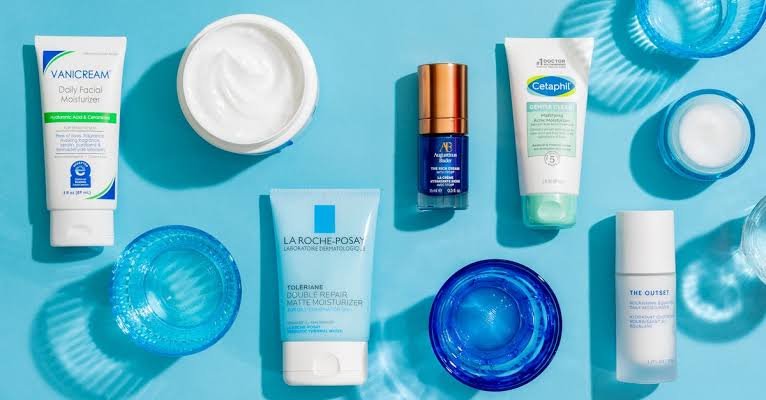
Winter can be challenging for people with dry skin. Cold outdoor temperatures, low humidity, indoor heating, and frequent exposure to hot water can make the skin feel tight, rough, flaky, and uncomfortable. For some people, winter dryness also causes redness, itching, cracked hands, and irritated patches around the nose, cheeks, and lips. Choosing the right skincare products can help maintain moisture, support the skin’s natural protective barrier, and improve comfort throughout the colder months.
In 2026, the best winter skincare routine is not necessarily the one with the most products. A simple combination of a gentle cleanser, a rich moisturizer, a suitable hydrating serum, and a protective sunscreen can often provide a strong foundation. People with very dry skin may also benefit from a nourishing night cream, a fragrance-free body lotion, a hand cream, and an ointment for especially rough areas.
The most important factor is understanding what dry skin needs. Healthy skin has a protective outer barrier that helps retain water and defend against environmental irritants. Cold weather and dry indoor air can increase moisture loss, making this barrier less effective. Products containing ingredients such as ceramides, glycerin, hyaluronic acid, petrolatum, and shea butter can help address different aspects of winter dryness.
However, not every product works equally well for every person. Someone with mildly dry skin may prefer a lightweight cream, while a person with severely dry skin may need a thicker moisturizer. Sensitive skin may respond better to fragrance-free formulas, and people who experience clogged pores may need products that balance hydration with their tendency toward breakouts.
This guide explores the best types of winter skincare products for dry skin in 2026, explains which ingredients to look for, and discusses how to build an effective routine without spending unnecessarily. It also covers products for the face, body, hands, lips, and other areas that commonly become dry during winter.
The goal is to help readers choose products based on their skin’s needs rather than marketing claims. With the right routine and consistent use, it is possible to make winter skincare more comfortable, practical, and effective.
Understanding Dry Skin During Winter
Dry skin occurs when the skin lacks sufficient moisture or has difficulty retaining it. The skin’s outermost layer contains natural lipids and other substances that help limit water loss. When this protective barrier becomes disrupted, moisture escapes more easily, and the skin may become rough, flaky, tight, or irritated.
Winter weather can make this problem more noticeable. Cold air often contains less moisture than warm air, while indoor heating can reduce humidity even further. Moving repeatedly between cold outdoor conditions and heated indoor spaces can expose the skin to changing environments that contribute to dryness.
Hot showers and baths may also worsen the problem. Although hot water feels comforting in cold weather, it can remove some of the skin’s natural oils. Strong soaps, harsh cleansers, and frequent exfoliation may further weaken the protective barrier.
Not everyone experiences winter dryness in the same way. Some people notice only mild tightness after washing their faces. Others develop visible flakes, rough patches, cracked knuckles, or persistent itching. People who already have sensitive skin or conditions such as eczema may experience more significant symptoms during colder months.
The solution is not simply to apply more products. It is to choose products that reduce unnecessary irritation, add moisture, and help prevent water from escaping. Gentle cleansing, consistent moisturizing, and protection from environmental stressors are generally more useful than complicated routines with many active ingredients.
If dryness becomes painful, develops deep cracks, bleeds, or continues despite regular moisturizing, professional medical advice may be appropriate. Persistent redness, intense itching, or a rash may indicate a skin condition that requires more than ordinary cosmetic products.
What Makes a Winter Skincare Product Good for Dry Skin?
A good winter skincare product should help the skin retain moisture while remaining comfortable enough for daily use. The ideal formula depends on the area being treated, the severity of dryness, personal sensitivities, and whether the product will be used during the day or at night.
One important category is humectants. These ingredients attract and hold water in the outer layers of the skin. Glycerin and hyaluronic acid are common examples. They are frequently included in serums, lotions, and moisturizers to help skin feel more hydrated.
Emollients serve a different purpose. They soften the skin and improve the feel of rough or flaky areas. Ingredients such as shea butter, squalane, and certain plant oils can help smooth the skin’s surface and reduce the uncomfortable feeling associated with dryness.
Occlusive ingredients help slow water loss by creating a protective layer over the skin. Petrolatum is a well-known example, while some creams and ointments combine occlusive ingredients with emollients and humectants. These formulas are particularly useful for very dry areas, including hands, elbows, heels, and lips.
Ceramides are another valuable ingredient group. They are naturally present in the skin barrier and help support its structure. Moisturizers containing ceramides can be useful for people whose skin becomes dry or sensitive during winter.
The product’s overall formulation matters just as much as the ingredient list. A moisturizer containing useful ingredients may still irritate a person if it includes a fragrance or another ingredient to which they are sensitive. For people with reactive skin, fragrance-free formulas are often a sensible starting point.
The best winter skincare product is one that matches the skin’s needs, feels comfortable, and can be used consistently. Expensive packaging and long ingredient lists do not automatically make a product more effective.
Best Winter Skincare Products for Dry Skin in 2026
The following products are worth considering because they cover different winter skincare needs, from gentle cleansing and daily facial hydration to intensive body care. Product availability, formulas, packaging, and prices can change, so check the current product label before buying.
1. CeraVe Moisturizing Cream: Best Overall Moisturizer for Dry Skin
CeraVe Moisturizing Cream is a popular option for people who need a rich, everyday moisturizer for dry skin. Its formula includes ceramides and hyaluronic acid, ingredients commonly used to support hydration and the skin’s protective barrier. The cream can be used on the face and body when it suits the user’s skin and the product’s directions.
Its thicker texture makes it particularly useful during colder weather, when a lightweight lotion may not provide enough comfort. People who experience tightness after washing their face or notice dry patches around the cheeks may appreciate a cream that leaves the skin feeling softer.
One advantage is versatility. Instead of buying separate moisturizers for every part of the body, some people can use one suitable cream on their face, hands, elbows, and other dry areas. However, those who are prone to clogged pores may prefer a lighter facial product on acne-prone areas.
For best results, apply the cream after washing while the skin is still slightly damp. Use enough to cover the dry areas comfortably, and reapply when needed. If the product feels too heavy during the day, a smaller amount or a lighter daytime moisturizer may be more suitable.
CeraVe Moisturizing Cream is a strong starting point for anyone seeking a straightforward winter moisturizer without building an elaborate routine. As with any skincare product, check the ingredients if you have known sensitivities.
2. La Roche-Posay Lipikar AP+M Triple Repair Moisturizer: Best for Very Dry Skin
La Roche-Posay Lipikar AP+M Triple Repair Moisturizer is designed for dry skin and is particularly worth considering for people who experience persistent roughness on the body. Its richer moisturizing approach can be useful when cold weather leaves the arms, legs, elbows, and other areas feeling uncomfortable.
Body skin often needs a different texture from facial skin. The arms and legs may tolerate a rich cream very well, while some people find the same product too heavy for the face. A dedicated body moisturizer can help provide more generous coverage without requiring an expensive facial cream for the entire body.
This type of moisturizer is especially useful after showering. Warm water can leave the skin feeling clean but may also contribute to moisture loss, particularly when showers are long or hot. Applying a rich moisturizer soon afterward helps retain moisture and soften rough areas.
People with sensitive skin should still check the ingredient list and test a small amount before applying it over large areas. A product marketed for dry or sensitive skin is not guaranteed to suit everyone.
For households dealing with winter dryness across several parts of the body, Lipikar AP+M can be a useful option to compare with other fragrance-free creams. Its main appeal is its focus on rich, sustained body hydration rather than cosmetic effects such as temporary shine.
3. Vanicream Moisturizing Cream: Best for Sensitive Skin
Vanicream Moisturizing Cream is worth considering for people who prefer simple skincare and want to avoid common potential irritants. Fragrance-free products can be especially helpful for sensitive skin, because added fragrance may cause irritation in some individuals.
During winter, the skin barrier can become more vulnerable. Products that were comfortable in warmer weather may begin to sting or feel unpleasant when the skin is already dry. A basic moisturizer without unnecessary fragrance can help simplify the routine while the skin recovers.
Vanicream’s cream format makes it suitable for areas that need richer hydration. It can be used on dry parts of the body and, where appropriate for the individual, the face. Its thicker texture may be most appealing at night or during particularly cold periods.
Sensitive skin does not always mean allergy-prone skin, and a fragrance-free formula can still contain ingredients that an individual does not tolerate. Introduce new products gradually, especially if your skin is already red or irritated.
Vanicream is a sensible choice for consumers who prioritize comfort and a relatively uncomplicated formula over perfume, decorative packaging, or multiple active ingredients.
4. La Roche-Posay Toleriane Double Repair Face Moisturizer: Best Daily Facial Moisturizer
La Roche-Posay Toleriane Double Repair Face Moisturizer is an option for people who want daily facial hydration without using an extremely heavy cream. Its formula includes moisturizing ingredients such as glycerin and ceramide-related barrier support, depending on the version.
It may be a good fit for people whose skin becomes dry in winter but still prefers a cream that spreads easily and sits comfortably under sunscreen or makeup. This is important for a morning routine, when a very thick product can feel uncomfortable beneath other layers.
Apply a suitable amount after cleansing. If your face feels particularly dry, you can use a richer cream at night and this type of moisturizer during the day. People with combination skin can apply more to the cheeks and other dry areas while using less around naturally oilier parts of the face.
Check the specific formulation before purchasing because product names and ingredients can vary between markets. If your skin is highly reactive, patch-test the moisturizer before making it part of your daily routine.
This product is worth considering for people who want a balanced facial moisturizer that supports hydration without requiring several separate creams.
5. Cetaphil Moisturizing Cream: Best Everyday Cream for the Face and Body
Cetaphil Moisturizing Cream is another practical choice for dry skin during winter. Its rich consistency can help soften rough areas and reduce the feeling of tightness associated with moisture loss.
The cream format is useful because it can provide more lasting comfort than a thin lotion for some people with dry skin. It can be especially helpful on arms, legs, hands, and other areas that become rough during colder months.
A major advantage of an everyday moisturizer is convenience. A product that is comfortable and easy to use consistently is often more helpful than an elaborate routine that becomes difficult to maintain. Keeping a container near the bathroom or bedside table can make it easier to moisturize after washing and before going to sleep.
People who are prone to acne should observe how their facial skin responds. A cream that works well on the body may feel too rich for some facial areas. If breakouts increase, try a lighter, non-comedogenic facial moisturizer instead.
Cetaphil Moisturizing Cream is a useful option for people who want uncomplicated hydration and a familiar product category for winter care.
6. Eucerin Advanced Repair Cream: Best for Rough, Flaky Body Skin
Eucerin Advanced Repair Cream is worth considering for areas that become rough and flaky when the weather turns cold. Some products in this range use ingredients that support hydration and help improve the feel of rough skin, so the exact formula should be checked before purchase.
Hands, elbows, knees, and lower legs often need extra attention because they are frequently exposed to washing, friction, clothing, and dry air. A rich body cream can make these areas feel softer and more comfortable with consistent use.
Apply it after bathing or washing, when the skin is slightly damp. If the skin is severely cracked or inflamed, avoid products that cause stinging and consider professional advice before using formulas with exfoliating ingredients.
Some advanced repair products contain ingredients such as urea or other substances that help soften rough skin. These may be beneficial for thickened areas, but they can sting on broken or irritated skin. Read the label carefully and choose a gentler product when the barrier is compromised.
Eucerin Advanced Repair Cream can be a useful addition for people whose winter dryness goes beyond mild facial tightness and affects larger areas of the body.
7. Neutrogena Hydro Boost Hydrating Serum or Gel Moisturizer: Best Lightweight Hydration
People with dry skin do not always enjoy thick creams, especially during the daytime. Neutrogena Hydro Boost products offer a lighter approach to hydration, with formulations that commonly feature hyaluronic acid or related moisturizing ingredients.
A lightweight hydrating product can help the skin feel more comfortable before a richer moisturizer is applied. This can be useful for people who want hydration without a heavy finish, including those with combination skin that feels dry around the cheeks but oily around the forehead and nose.
However, a hydrating gel or serum may not be enough on its own when winter conditions are severe. Humectants attract water, but the skin may also need emollients and occlusive ingredients to reduce moisture loss. In cold, dry environments, layering a hydrating product beneath a cream can be more effective than using a lightweight gel alone.
Some versions of Hydro Boost include fragrance, while others may be fragrance-free. Check the exact label, especially if your skin is sensitive.
This product category is best for people who prefer a light texture or want an additional hydration step beneath their regular moisturizer.
8. CeraVe Hydrating Facial Cleanser: Best Gentle Cleanser for Dry Skin
A winter skincare routine begins with cleansing. If the cleanser removes too much of the skin’s natural oil, even a good moisturizer may struggle to keep the skin comfortable.
CeraVe Hydrating Facial Cleanser is designed as a gentle cleansing option and includes ingredients associated with hydration and barrier support. It is worth considering for people whose faces feel tight after using foaming or strongly scented cleansers.
Use lukewarm water rather than very hot water, and massage the cleanser gently over the face. There is generally no need to scrub aggressively or wash repeatedly to achieve a clean feeling. Pat the skin dry with a soft towel, leaving it slightly damp before applying moisturizer.
People who wear heavy makeup or water-resistant sunscreen may need an appropriate first cleansing step, but repeated harsh washing should be avoided. The goal is to remove dirt, sweat, sunscreen, and makeup without leaving the skin uncomfortable.
A gentle cleanser is particularly valuable in winter because it reduces unnecessary stress on the skin barrier. If a cleanser causes persistent burning, redness, or tightness, discontinue it and try a more suitable option.
9. La Roche-Posay Toleriane Hydrating Cleanser: Best for a Comforting Cleansing Routine
La Roche-Posay’s Toleriane cleansing range includes products designed for different skin needs. A hydrating or moisturizing version may suit people whose skin becomes dry and sensitive during colder months.
The important feature to look for is a gentle formulation that cleanses without leaving the skin stripped. Creamy cleansers can be more comfortable than strongly foaming products for some people with dry skin, although individual preferences differ.
A cleanser does not need to make the skin feel squeaky clean to work effectively. That tight, stripped sensation may indicate that the product is too harsh for the user’s skin or is being used too frequently.
Use the product according to its directions and follow with moisturizer. If you wear sunscreen daily, cleanse thoroughly enough to remove it, but avoid repeated scrubbing.
This is a useful product category for people who want to simplify their winter routine and prioritize comfort during cleansing.
10. CeraVe Hydrating Hyaluronic Acid Serum: Best Hydrating Serum
A hydrating serum can be helpful when the skin feels dehydrated despite regular moisturizing. CeraVe Hydrating Hyaluronic Acid Serum is an option for people who want a dedicated hydration step with ingredients such as hyaluronic acid and moisturizing agents.
Hyaluronic acid is a humectant that helps attract and retain water in the outer layers of the skin. A serum containing this ingredient may temporarily improve the feeling of softness and reduce the appearance of dehydration-related fine lines.
For winter use, apply the serum to slightly damp skin and follow with a moisturizer. The cream helps reduce water loss, while the serum adds a lightweight hydration layer. Using a serum without a moisturizer may be insufficient for some people in very dry indoor environments.
A serum is optional rather than essential. If a basic cleanser and moisturizer already keep your skin comfortable, you may not need an additional product. It is better to spend money on a suitable moisturizer than to add unnecessary steps.
CeraVe’s hydrating serum is worth considering when you want extra hydration without a thick, greasy texture. Introduce it gradually and discontinue it if irritation develops.
11. La Roche-Posay Hyalu B5 Serum: Best Premium Hydration Serum
La Roche-Posay Hyalu B5 Serum is another option for people who want a more specialized hydration product. Its formulation has featured hyaluronic acid and vitamin B5, also known as panthenol, which is commonly used in skincare to support hydration and skin comfort.
A serum can fit into a routine when the skin feels dehydrated, looks dull, or needs an additional layer beneath moisturizer. It should not be treated as a replacement for a proper cream, especially during harsh winter weather.
Apply a small amount as directed, then follow with moisturizer. If you use several active ingredients, introduce the serum separately rather than changing your entire routine at once. This makes it easier to identify the cause if irritation occurs.
Premium serums are not automatically more effective than affordable alternatives. The overall formula, compatibility with your skin, and consistent use matter more than the price alone.
Hyalu B5 is worth comparing for consumers who prefer a serum-based hydration step, but those on a limited budget can often build an effective routine with a gentle cleanser and a well-formulated moisturizer alone.
12. Vaseline Original Petroleum Jelly: Best for Sealing in Moisture
Petroleum jelly is one of the simplest options for protecting very dry areas. It forms an occlusive layer that slows moisture loss and can be especially helpful on cracked lips, rough knuckles, elbows, and dry patches.
Unlike a water-based lotion, petroleum jelly does not primarily work by adding water to the skin. Instead, it helps keep existing moisture from escaping. This makes it useful after applying a moisturizer or washing the skin.
For example, a person with dry hands may apply hand cream after washing and then use a thin layer of petroleum jelly on the roughest areas before bedtime. The protective layer can help reduce further moisture loss overnight.
Its texture is greasy, so it may not be comfortable as an all-over facial product for everyone. Some people also prefer lighter products beneath makeup. A small amount is usually enough for targeted areas.
Choose a product suitable for skin use and avoid applying it over dirty wounds or untreated infections. If an area is persistently inflamed, painful, or cracked, seek professional guidance rather than relying solely on an occlusive product.
Petroleum jelly is an affordable and versatile option for winter care, particularly when used strategically on areas that need extra protection.
13. Aquaphor Healing Ointment: Best for Cracked and Extra-Dry Areas
Aquaphor Healing Ointment is designed to protect and soothe dry, rough skin. Its ointment texture makes it useful for lips, hands, cuticles, elbows, and other small areas that need more intensive protection than a regular lotion provides.
In winter, repeated handwashing and exposure to cold air can leave the knuckles and fingertips dry. Applying an ointment after moisturizing may help protect these areas from further moisture loss.
Aquaphor and plain petroleum jelly are not identical formulations. Aquaphor includes additional ingredients, which some people may find useful but others may not tolerate. Anyone sensitive to a particular ingredient should check the label before use.
Apply a thin layer to the area that needs protection. It may be most comfortable at night because ointments can leave a noticeable residue. For severely dry hands, cotton gloves worn over a suitable ointment can help keep the product in place while sleeping.
This product is best viewed as a targeted treatment for rough or extra-dry areas rather than a mandatory step in every skincare routine. Many people will find that a rich moisturizer alone is sufficient for everyday dryness.
14. Neutrogena Norwegian Formula Hand Cream: Best for Dry Winter Hands
Hands often become dry faster than other parts of the body because they are washed frequently and exposed to cold air. Neutrogena Norwegian Formula Hand Cream is a product worth considering for people whose hands feel rough, tight, or uncomfortable during winter.
A concentrated hand cream can be especially useful when a regular body lotion does not provide enough protection. Apply it after washing your hands, after spending time outdoors, and before bedtime. Pay attention to the backs of the hands, knuckles, and areas around the nails.
People who wash their hands frequently should keep a small tube nearby so they can moisturize immediately afterward. Wearing suitable gloves outdoors can also reduce exposure to cold wind and help prevent moisture loss.
Check the specific formulation for fragrance and other ingredients if you have sensitive skin. If a product stings on cracked skin, switch to a gentler fragrance-free cream or ointment.
A dedicated hand cream is a worthwhile purchase for people who experience significant winter dryness, especially those whose work requires frequent washing or exposure to cleaning products.
15. Aquaphor Lip Repair: Best for Dry, Chapped Lips
Lips are particularly vulnerable to winter conditions because their surface differs from the skin on most other parts of the body. Cold air, wind, dry indoor heating, and repeated licking can make the lips rough, flaky, and cracked.
Aquaphor Lip Repair is an option for people who need a product designed specifically for chapped lips. A protective lip balm can help reduce moisture loss and make the lips feel more comfortable.
Apply it regularly throughout the day, especially before going outdoors and before bedtime. Avoid peeling flakes or biting the lips, because this can create further irritation and delay healing.
For outdoor activities, consider a lip product with broad-spectrum sun protection, particularly when spending time in snow or at higher elevations. Sun exposure can affect the lips even when temperatures are low.
If a lip balm causes burning, redness, or worsening irritation, stop using it and check its ingredients. Persistent cracking at the corners of the mouth or sores that do not heal may need professional assessment.
A good lip balm is an inexpensive but important part of a complete winter skincare routine. Keeping one in a bag, at a desk, and beside the bed can make consistent use easier.
16. EltaMD UV Clear Broad-Spectrum SPF 46: Best Sunscreen for Daily Facial Protection
Sunscreen remains important during winter, even when the weather is cloudy or cold. Ultraviolet radiation can reach exposed skin throughout the year, and snow may reflect sunlight in some environments.
EltaMD UV Clear Broad-Spectrum SPF 46 is a facial sunscreen option that some people consider for daily use. Its suitability depends on the individual’s skin type, the exact formulation, and whether the finish feels comfortable beneath moisturizer or makeup.
For dry skin, sunscreen should ideally provide protection without making the face feel tight. Some people prefer a moisturizing sunscreen that combines several steps, while others find it more comfortable to apply a separate moisturizer first.
Apply sunscreen according to the product directions and use enough to cover exposed skin. Reapply as directed, particularly after sweating, swimming, or wiping the face. A single morning application may not provide adequate protection throughout a long day outdoors.
People with sensitive skin should test a new sunscreen before regular use. If it causes stinging, try a different formulation rather than skipping sun protection entirely.
A broad-spectrum sunscreen with SPF 30 or higher is a sensible daily choice for exposed skin. The most expensive sunscreen is not necessarily the best one for you; comfort and consistent use are essential.
17. Eucerin Advanced Repair Hand Cream: Best for Rough Hands and Cuticles
For people whose hands become particularly rough during winter, a concentrated hand cream may provide more convenient care than using a body moisturizer throughout the day. Eucerin offers hand-care products designed for dry skin, although formulas differ by product.
A hand cream should soften the skin without making everyday tasks too difficult. Some people prefer a richer ointment at night and a less greasy cream during working hours.
Apply the cream after washing and before going outside in cold weather. If your fingertips and cuticles are especially dry, massage a small amount around them rather than concentrating only on the palms.
Avoid using exfoliating hand products on deep cracks or irritated areas. Although certain ingredients can soften rough skin, they may sting when the skin barrier is damaged.
If your hands remain cracked despite regular moisturizing, consider whether cleaning products, frequent exposure to water, or workplace irritants may be contributing to the problem. Protective gloves and changes to washing habits can be as important as choosing a better cream.
18. A Rich Fragrance-Free Body Wash: Best for Preventing Post-Shower Dryness
A winter body wash can make a significant difference to people whose skin feels dry immediately after bathing. Strongly fragranced products and harsh cleansers may leave some skin types feeling tight or irritated.
Look for a body wash labelled gentle, moisturizing, and fragrance-free. Creamy cleansers can be a good option for people who find traditional soaps too drying. Products containing glycerin or other moisturizing ingredients may help the skin feel more comfortable during cleansing.
Use lukewarm water and keep showers reasonably short. Hot water can remove natural oils and may worsen dryness, even when it feels pleasant in cold weather.
After bathing, pat the skin dry rather than rubbing it aggressively with a towel. Apply a body cream while the skin is still slightly damp to help retain moisture.
People with sensitive skin should avoid assuming that a product is suitable simply because it is marketed as natural or botanical. Essential oils and plant extracts can also irritate some individuals.
A gentle body wash is not as visually exciting as a serum or facial cream, but it can be one of the most useful changes for anyone experiencing winter dryness over large areas of the body.
19. A Urea-Based Foot Cream: Best for Dry Heels and Rough Feet
Feet can become rough during winter, especially around the heels. Thickened skin may develop because of pressure, friction, dry air, and footwear. In more severe cases, deep heel cracks can become painful.
A foot cream containing urea may help soften thick, dry skin while supporting hydration. The appropriate concentration depends on the product and the condition of the skin. Lower-strength products may suit routine dryness, while stronger formulations are intended for more substantial thickening and may require greater care.
Apply foot cream according to its directions, concentrating on the heels and rough areas. If the product contains exfoliating ingredients, avoid using it on open cracks or irritated skin unless a healthcare professional recommends it.
A simple nighttime routine can help: wash your feet gently, dry them carefully, apply a suitable cream, and wear comfortable socks if recommended by the product directions. Avoid cutting thick skin with sharp tools, as this can cause injuries.
People with diabetes, poor circulation, reduced sensation, or persistent foot wounds should seek medical guidance before using intensive foot treatments. Minor skin problems can require extra attention in these circumstances.
A dedicated foot cream can be a useful winter purchase, particularly for people who regularly experience rough heels or dry skin on the soles.
20. A Fragrance-Free Body Lotion for Everyday Maintenance
Not everyone needs a thick cream from head to toe. People with mild seasonal dryness may find that a fragrance-free body lotion provides enough hydration for everyday maintenance.
Lotions generally spread easily and can be convenient after a morning shower. They may also be more comfortable in homes where the heating is not excessively dry or in climates where winter temperatures are relatively mild.
If a lotion leaves the skin feeling tight soon after application, consider switching to a thicker cream. For very dry areas, applying a richer product to the elbows, knees, and lower legs while using a lighter lotion elsewhere can be a practical compromise.
Choose the texture that makes you most likely to moisturize regularly. A product that is unpleasantly greasy may discourage consistent use, while a lotion that is too light may require frequent reapplication.
Body lotions are often available in large containers, which can make them economical for daily use. However, price should not be the only deciding factor. Check the ingredients and choose a formula that feels comfortable on your skin.
Best Ingredients to Look for in Winter Skincare Products
Ceramides
Ceramides are lipids naturally found in the skin barrier. They help maintain the structure of the outer skin layer and reduce moisture loss. Moisturizers containing ceramides can be useful for people whose skin becomes dry, rough, or sensitive in winter.
They are often included in facial creams, body moisturizers, and products designed for barrier support. Ceramides are not an instant cure for every skin problem, but they can be part of a consistent routine that helps the skin retain moisture.
Hyaluronic Acid
Hyaluronic acid is a humectant that helps attract and retain water in the skin’s outer layers. It is commonly used in serums, creams, and lotions.
For winter dryness, a hyaluronic acid serum is often best followed by a moisturizer. This helps provide a more complete routine than relying on a lightweight serum alone.
Glycerin
Glycerin is another widely used humectant. It attracts water and is found in many affordable skincare products, including moisturizers, cleansers, and hand creams.
It can be useful for people who want hydration without purchasing a specialized serum. A simple cream containing glycerin may provide sufficient comfort for many cases of seasonal dryness.
Petrolatum
Petrolatum is an occlusive ingredient that helps reduce water loss. It is especially useful for rough hands, cracked lips, and very dry patches.
Because it creates a protective layer, it can feel greasy. Using a small amount on selected areas may be more comfortable than applying it everywhere.
Shea Butter
Shea butter is an emollient used in many body creams and balms. It helps soften the skin and can make rich moisturizers feel more nourishing.
People with sensitivities should still check the full formula rather than assuming that plant-derived ingredients are automatically gentle.
Urea
Urea helps attract moisture and, in certain concentrations, softens thickened skin. It is frequently used in products designed for rough feet, heels, elbows, and other areas where skin becomes especially dry.
Some urea products can sting when applied to cracked or inflamed skin. Select a product suited to the area being treated and follow its directions.
Panthenol
Panthenol, also known as vitamin B5, is used in skincare formulations to support hydration and skin comfort. It appears in some moisturizers, serums, and ointments.
It may be useful as part of a broader moisturizing formula, but it is not necessary to buy a separate panthenol serum if a basic moisturizer already works well.
Ingredients and Products to Use Carefully During Winter
Winter dryness can make the skin less tolerant of certain skincare ingredients. This does not mean every active ingredient must be discontinued, but it may be sensible to reduce the frequency of products that cause irritation.
Exfoliating acids such as glycolic acid and salicylic acid can be useful for specific skin concerns, but excessive use may worsen dryness. If your face becomes flaky or stings when you apply moisturizer, temporarily reducing exfoliation may help.
Retinol and other retinoids can also cause dryness or peeling, particularly when introduced too quickly. People who use these products may need to adjust the frequency or seek advice from a qualified clinician, especially if they use prescription treatments.
Fragrance can irritate some people with sensitive skin. Choosing products labelled fragrance-free is often a useful starting point. The term unscented is not always equivalent, because an unscented product may contain ingredients intended to mask odors.
Strong facial scrubs should generally be avoided when skin is already irritated. Scrubbing flaky skin can create more irritation rather than solving the underlying moisture problem.
Hot water, harsh soaps, and frequent cleansing can also contribute to winter dryness. Improving these habits may be just as valuable as purchasing another skincare product.
If you use several active ingredients, introduce changes gradually. Combining multiple new products makes it difficult to identify what caused a reaction. A simple routine is often the best starting point while the skin barrier recovers.
The Best Winter Skincare Routine for Dry Skin
Buying the right products is only part of winter skincare. How and when you use them can influence how comfortable your skin feels throughout the day. A consistent routine with a few suitable products is often more practical than using many treatments at once.
Morning Skincare Routine
Start by cleansing your face gently. If your skin is extremely dry and you did not sweat overnight, you may not need a strong cleanser in the morning. A gentle cleanser or a lukewarm water rinse may be sufficient, depending on your skin and personal needs.
Apply a hydrating serum if you find one useful. A product containing glycerin or hyaluronic acid can provide an additional layer of hydration, but it is optional. If your skin becomes irritated easily, keep the morning routine simple.
Next, apply a moisturizer suited to your skin. A cream containing ceramides, glycerin, or other moisturizing ingredients may be a good choice for dry skin. Allow it to settle before applying sunscreen.
Finish with a broad-spectrum sunscreen of at least SPF 30 on exposed skin. Apply it according to the product instructions, including around the ears and neck when these areas are exposed.
If your skin feels tight during the day, you may need a richer moisturizer or a different sunscreen formulation. Do not assume that discomfort is unavoidable simply because it is winter.
Evening Skincare Routine
In the evening, remove sunscreen, makeup, and daily dirt with a gentle cleanser. Avoid scrubbing the face or repeatedly washing it to achieve a squeaky-clean sensation.
If you use a hydrating serum, apply it according to the product directions. Follow it with a suitable moisturizer to help reduce moisture loss overnight.
For very dry patches, a small amount of petrolatum-based ointment can be applied over the moisturizer. This may be especially helpful around the lips, hands, or other areas that become rough. Avoid applying heavy products to areas where they cause irritation or unwanted breakouts.
Consider reducing strong exfoliants if your skin is peeling or stinging. The priority during a period of significant dryness is to restore comfort rather than aggressively treat texture or fine lines.
Winter Body Care Routine
Use a gentle body cleanser and avoid long, hot showers. After bathing, pat the skin dry and apply a rich body cream while it is still slightly damp.
Pay particular attention to the lower legs, elbows, knees, and hands. These areas may need a thicker product than the rest of the body. Reapply hand cream after washing and use an ointment on selected rough areas before bed if needed.
For dry feet, use a suitable foot cream and protect the skin from excessive friction. If your heels develop deep cracks or become painful, seek professional advice rather than relying exclusively on cosmetic products.
How to Choose Winter Skincare Products on a Budget
An effective winter routine does not have to be expensive. In many cases, a gentle cleanser, a rich moisturizer, a sunscreen, and a simple lip balm are enough to cover the main needs.
Prioritize the moisturizer first. If your skin is consistently dry, a well-formulated cream is usually more useful than purchasing several specialized serums. Look for suitable ingredients such as ceramides, glycerin, or petrolatum, depending on the product’s purpose.
Next, choose a cleanser that does not leave your face feeling stripped. A gentle cleanser can reduce irritation and help your moisturizer work as part of a consistent routine.
Sunscreen should remain part of daily skincare, even during colder months. Choose a product you can comfortably apply in the recommended amount. A sunscreen that feels unpleasant may be difficult to use consistently.
Specialized products can be added according to your needs. A hand cream is useful if your hands crack frequently, while a foot cream may be worthwhile if your heels become rough. A hydrating serum is optional if your moisturizer already provides enough comfort.
Compare the amount of product in each package, the cost per use, and whether you need a recurring subscription. Avoid buying a large collection of products during a sale if you have not tested them and do not know whether they suit your skin.
Introducing one new product at a time can also save money. If irritation develops, it will be easier to identify the likely cause instead of discarding several recently purchased items.
Common Winter Skincare Mistakes to Avoid
One of the most common mistakes is taking very hot showers. Hot water can feel soothing when the weather is cold, but it may remove natural oils and worsen dryness. Lukewarm water and shorter showers are usually better choices.
Another mistake is exfoliating too frequently. When dry skin flakes, it can be tempting to scrub away the visible texture. However, aggressive exfoliation may increase irritation and damage the skin barrier further. Moisturizing is often the better first step.
Using a hydrating serum without a moisturizer can also be insufficient. Humectants attract water, but the skin may need additional ingredients to soften the surface and reduce water loss. Layering a serum beneath a cream can provide a more complete approach.
Some people apply moisturizer only once a day, even when their skin feels dry again several hours later. Depending on the product and severity of dryness, applying moisturizer more frequently may be helpful, particularly after washing.
Ignoring the hands and lips is another frequent mistake. These areas are exposed to wind, cold, and repeated washing, so they may need more frequent care than the face.
Finally, changing the entire skincare routine at once can make it difficult to identify irritating products. Introduce new products gradually, patch-test when appropriate, and discontinue anything that causes a persistent adverse reaction.
Frequently Asked Questions About Winter Skincare for Dry Skin
Which moisturizer is best for dry skin in winter?
A rich cream containing moisturizing ingredients such as ceramides and glycerin is a good starting point for many people with dry skin. CeraVe Moisturizing Cream, Cetaphil Moisturizing Cream, and Vanicream Moisturizing Cream are options to compare. The best choice is the one that suits your skin, feels comfortable, and can be used consistently.
Is a serum necessary for dry skin?
No. A serum is optional. A gentle cleanser and an effective moisturizer may provide sufficient hydration for many people. A serum containing hyaluronic acid or glycerin can be useful if you want an additional hydration step, but it should not replace a moisturizer when your skin needs a richer protective layer.
Should I use a different moisturizer in winter?
You may not need to replace your existing moisturizer if it continues to work well. However, some people benefit from switching from a lightweight lotion to a thicker cream when the air becomes colder and drier. Choose according to how your skin feels rather than following a seasonal rule automatically.
Is petroleum jelly good for dry skin?
Petroleum jelly can help reduce moisture loss by forming a protective layer over the skin. It is especially useful for rough hands, chapped lips, and small dry patches. It may feel greasy, so many people prefer using it on targeted areas or at night.
How often should I moisturize during winter?
Many people benefit from moisturizing at least once or twice a day, with additional applications after bathing or washing their hands. Very dry skin may need more frequent application. Follow the directions on the product and adjust according to your skin’s comfort.
Is sunscreen necessary during winter?
Yes. Ultraviolet radiation can affect exposed skin throughout the year. A broad-spectrum sunscreen with SPF 30 or higher is a sensible daily choice for the face and other exposed areas. Reapply according to the product directions, particularly during extended outdoor activities.
Can I use the same moisturizer on my face and body?
Some moisturizers are suitable for both the face and body, but not every formula works well for every area. Facial skin may be more sensitive or prone to breakouts, while body skin may tolerate richer creams. Follow the product directions and observe how your skin responds.
Why does my moisturizer sting during winter?
Stinging can occur when the skin barrier is irritated or when a product contains an ingredient that does not suit you. Temporarily simplify your routine, avoid harsh exfoliants, and try a gentle fragrance-free moisturizer. If burning or redness persists, consult a healthcare professional.
Are natural skincare products better for dry skin?
Not necessarily. Plant oils and botanical ingredients can be useful in some formulations, but natural ingredients can also trigger irritation or allergies. Choose products according to their formulation and your skin’s tolerance rather than assuming that natural always means gentler.
When should I see a dermatologist?
Seek professional advice if your skin becomes severely itchy, painful, inflamed, cracked, or bleeding, or if it does not improve with regular moisturizing. Persistent dryness may be related to eczema, dermatitis, or another condition that requires specific treatment.
Final Thoughts
The best winter skincare products for dry skin in 2026 are those that help maintain hydration, support the skin’s protective barrier, and reduce discomfort without causing additional irritation. A simple routine built around gentle cleansing, a suitable moisturizer, and daily sunscreen can provide a strong foundation for most people.
CeraVe Moisturizing Cream, Cetaphil Moisturizing Cream, and Vanicream Moisturizing Cream are worth considering for everyday hydration. La Roche-Posay Lipikar AP+M and Eucerin Advanced Repair products may suit people who need richer body care, while CeraVe Hydrating Facial Cleanser can be a useful option for gentle cleansing. Products such as Aquaphor Healing Ointment and petroleum jelly are particularly practical for very dry patches, lips, and hands.
The right combination depends on your skin type, budget, and the severity of winter dryness. You do not need to purchase every product discussed in this guide. Begin with the essentials, introduce new products gradually, and pay attention to how your skin responds.
Small daily habits can make a meaningful difference. Use lukewarm water, avoid aggressive exfoliation when your skin is irritated, moisturize after bathing, protect your hands from cold weather, and continue using sunscreen on exposed skin.
If dryness becomes severe or persistent, do not rely on cosmetic products alone. A dermatologist can help identify underlying causes and recommend appropriate treatment.
Ultimately, effective winter skincare is about consistency rather than complexity. Choosing suitable products and using them regularly can help keep dry skin more comfortable, soft, and protected throughout the winter season.
For More Information About Article, Click Here.
For More UseFul Articles, Click Here.