
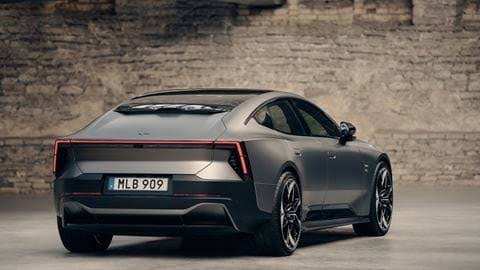
For many American households, the biggest attraction of an electric vehicle is the possibility of reducing fuel and routine maintenance expenses. Electric motors convert energy efficiently, and battery-electric vehicles do not require gasoline, engine oil changes, or conventional exhaust-system maintenance. Charging at home can also be convenient because drivers can start many mornings with a full battery without visiting a gas station.
However, electric cars are not equally suitable for everyone. Drivers who cannot charge at home may depend on public charging stations, which can add cost and inconvenience. Long-distance travelers need to consider charging speed, station availability, weather conditions, and real-world driving range. Insurance premiums, tire replacement, vehicle depreciation, and purchase price also influence the total cost of ownership.
The American EV market offers options from manufacturers including Tesla, Chevrolet, Ford, Hyundai, Kia, Nissan, Volkswagen, BMW, Rivian, and Lucid. Some vehicles prioritize affordability, while others focus on luxury, speed, family comfort, or long-distance travel. Understanding these differences can help buyers avoid paying for features they do not need.
This guide explores the best electric cars to buy in the USA in 2026, including their main advantages, potential disadvantages, and the types of drivers they suit best. It also explains how to compare range, charging, ownership costs, and other important considerations before making a purchase.
Why Buy an Electric Car in 2026?
Electric vehicles offer several advantages over traditional gasoline-powered cars. One of the most noticeable is the driving experience. Electric motors deliver power smoothly, and many models accelerate quickly from a stop. Because there is no conventional engine running, the cabin can also feel quieter during city driving and at lower speeds.
Running costs are another reason drivers consider EVs. Electricity used for charging can cost less per mile than gasoline, particularly when the owner charges at home using an efficient electricity rate. The savings vary according to local electricity prices, gasoline costs, vehicle efficiency, and driving habits. Public fast charging can be more expensive than home charging, so buyers should calculate their likely expenses rather than assuming every electric vehicle is automatically cheaper to operate.
Electric vehicles also require less routine maintenance in several areas. Battery-electric cars do not need engine oil changes, spark plugs, or traditional exhaust-system repairs. They still require tire care, cabin air-filter replacement where applicable, brake inspections, suspension maintenance, and other regular servicing. Tires can wear quickly on some EVs because of vehicle weight and immediate torque, especially when the car is driven aggressively.
Environmental considerations also influence purchasing decisions. Electric cars produce no tailpipe emissions while driving, which can improve local air quality. Their overall environmental impact depends on electricity generation, battery production, manufacturing, and vehicle lifetime. Even so, EVs can help reduce transportation-related emissions, particularly when charged using cleaner electricity.
Technology is another major attraction. Many modern electric vehicles feature connected navigation, remote climate controls, smartphone applications, regenerative braking, and driver-assistance systems. These features can improve convenience, although their availability varies by model and trim.
The main challenge is charging. A homeowner with a suitable parking space and electrical supply may find EV ownership straightforward. Someone living in an apartment without charging facilities may need to rely on workplace or public charging. Before buying, it is important to understand how charging will fit into daily life.
Best Electric Cars to Buy in the USA in 2026
1. Tesla Model Y: Best Overall Electric SUV
The Tesla Model Y is a compelling choice for buyers seeking one electric vehicle that can handle commuting, family transportation, shopping, and road trips. Its crossover design combines useful passenger space with a practical cargo area, making it suitable for a wide variety of everyday needs.
One of the Model Y’s main strengths is its versatility. Families can use it for school runs and weekend travel, while commuters can benefit from smooth acceleration and convenient home charging. The rear cargo area can accommodate groceries, luggage, sports equipment, and other belongings. The exact passenger and storage arrangements depend on the configuration.
Tesla’s software-focused approach is another important attraction. The central display integrates navigation, entertainment, charging information, and many vehicle settings. Navigation can help plan longer journeys around compatible charging locations, reducing the amount of manual planning required.
Range varies according to trim, drivetrain, wheels, and other configuration details. Buyers should compare the official EPA estimate for the exact 2026 version they are considering. Real-world range can be lower at high highway speeds, in very cold weather, or when carrying heavy loads.
Charging access is another advantage, although station availability and compatibility should still be checked along regular routes. Drivers who frequently travel between cities may appreciate having access to a well-established fast-charging network.
Potential disadvantages include a minimalist interior, reliance on touchscreen controls, and a ride that some drivers may find firm. Insurance costs, tires, and purchase price also deserve attention.
The Model Y is best for buyers who want a practical electric SUV with a useful combination of space, technology, performance, and charging convenience.
2. Tesla Model 3: Best Electric Sedan for Commuters
The Tesla Model 3 is an attractive option for drivers who prefer a sedan rather than an SUV. Its aerodynamic shape, responsive acceleration, and efficient electric powertrain make it particularly suitable for daily commuting and regular highway travel.
A sedan can be easier to park and maneuver in crowded urban areas than a larger crossover. The Model 3 also provides a lower seating position and a more road-focused driving experience. Drivers who spend considerable time commuting may appreciate its smooth power delivery and quiet operation.
Depending on the configuration, the Model 3 can offer an EPA-estimated range exceeding 300 miles. That can be useful for drivers who cover long distances each week or occasionally travel between cities. The exact range depends on the version, and cold weather or high-speed driving can reduce the distance available between charges.
The cabin uses a relatively simple design, with many functions controlled through the central touchscreen. Some drivers appreciate the uncluttered appearance, while others prefer physical buttons for frequently used functions. A test drive can help buyers decide whether the layout suits their preferences.
The Model 3’s navigation and charging features can make public charging easier to plan. For drivers who can charge at home, overnight charging may cover much of their normal driving without requiring frequent public stops.
Its limitations include less flexible cargo access than an SUV and a lower seating position that may be less convenient for some passengers. Buyers who regularly transport large items or need more headroom may prefer a crossover.
For commuters, couples, and solo drivers who want an efficient electric sedan, the Model 3 is one of the strongest options to evaluate in 2026.
3. Chevrolet Equinox EV: Best Value Electric SUV
The Chevrolet Equinox EV is a strong candidate for American buyers who want a practical electric SUV without entering the luxury market. Its everyday-focused design, passenger space, and competitive range make it an appealing option for families and commuters.
The Equinox EV has a familiar crossover shape that can make the transition from a gasoline-powered vehicle easier. Its cabin and cargo area are suited to shopping, school transportation, work commutes, and weekend activities. Drivers who want a straightforward family vehicle may find it more useful than a smaller electric hatchback.
Depending on the configuration, the 2026 Equinox EV offers an EPA-estimated range of up to approximately 319 miles. That is enough for many daily driving routines and can provide flexibility for occasional longer journeys. Buyers should verify the range of their chosen trim because drivetrain and equipment differences can affect efficiency.
The vehicle also offers modern infotainment and driver-assistance features. These can help make daily driving more convenient, although buyers should try the screen layout and controls before deciding whether they are comfortable to use.
Its price is a major part of its appeal. A value-focused trim can provide useful range and passenger space without requiring the buyer to pay for luxury materials or high-performance equipment. However, the final transaction price depends on dealer inventory, optional packages, taxes, and fees.
Potential disadvantages include charging performance that may not match the fastest-charging competitors and a cabin that may feel less premium than more expensive alternatives. Drivers should also confirm charging compatibility and the availability of suitable charging stations near home and work.
The Equinox EV is best for families and value-conscious buyers who want an electric SUV with practical range and manageable ownership costs.
4. Hyundai Ioniq 5: Best for Fast Charging and Comfort
The Hyundai Ioniq 5 stands out because of its distinctive design, spacious cabin, and rapid-charging capabilities. Its crossover shape combines the practicality of an SUV with a modern interior and an open passenger area.
The cabin benefits from a flat floor and thoughtful use of interior space. Passengers can enjoy comfortable seating, while the cargo area can accommodate luggage, shopping, and daily equipment. The design feels different from many conventional SUVs, which can appeal to buyers who want something visually distinctive.
One of the Ioniq 5’s most important advantages is its high-voltage charging architecture on compatible versions. When connected to an appropriately powerful DC fast charger under suitable conditions, it can replenish its battery relatively quickly. Actual charging time depends on battery temperature, charger capability, state of charge, and vehicle configuration.
The model range includes different powertrains and equipment levels. Buyers can choose a version focused on efficiency, one with additional traction, or a performance-oriented model. These differences affect price, energy consumption, and driving character.
Range varies by battery and drivetrain, with some configurations offering more than 300 miles of EPA-estimated range. Drivers should compare the official figures for their chosen model and consider how much range they actually need.
The Ioniq 5 is well suited to drivers who value comfort and charging speed, especially those who regularly take longer trips. Its design and feature set can also appeal to households switching from gasoline vehicles.
Before buying, compare trim prices, charging compatibility, warranty coverage, and local service availability. The best configuration is the one that provides the required range and features without unnecessary expense.
5. Ford Mustang Mach-E: Best Electric SUV for Driving Enjoyment
The Ford Mustang Mach-E combines the practicality of an electric crossover with a sportier driving character. Its styling takes inspiration from the Mustang name, while its electric powertrain provides quick acceleration and a responsive feel.
The Mach-E is available in several configurations. Some emphasize everyday efficiency and value, while others provide all-wheel drive or stronger performance. Buyers should select a version according to their driving needs rather than paying extra for acceleration they may rarely use.
The cabin offers a modern design with a large central display and useful space for passengers and luggage. Depending on the trim, comfort features and interior materials can vary. Buyers should sit in both front and rear seats to determine whether the available space suits their household.
Range depends on battery size, drivetrain, wheels, and trim. Certain configurations offer around 300 miles or more of EPA-estimated range, while performance-focused versions may provide less. Driving style also affects range, especially when the vehicle is accelerated frequently.
Ford’s charging access and connector arrangements should be checked for the exact vehicle. Compatibility with a charging network may require an adapter or specific access arrangements, depending on the station and model.
The Mach-E is best for drivers who want an electric SUV that feels engaging to drive without giving up everyday practicality. Its main considerations are price, range differences between trims, and the need to compare it with less expensive family-oriented electric SUVs.
6. Kia EV9: Best Three-Row Electric SUV for Families
The Kia EV9 is one of the most appealing electric vehicles for families who need three rows of seating. Unlike smaller electric crossovers, it is designed to carry more passengers while providing the space and comfort expected from a large family SUV.
Its spacious cabin is particularly useful for households with children, grandparents, or frequent passengers. The available seating arrangements allow families to choose a configuration suited to their needs. Access to the third row, child-seat installation, and cargo capacity should be checked in person because the amount of luggage space available changes when all seats are occupied.
The EV9 also offers a modern interior with family-friendly storage areas and technology features. Depending on the trim, buyers may receive additional comfort equipment, upgraded audio, advanced driver assistance, or a more premium interior.
Range varies by battery, drivetrain, and wheel configuration. Some versions provide approximately 300 miles of EPA-estimated range, while other configurations have lower estimates. The vehicle’s size and weight can increase energy consumption compared with smaller electric cars.
Charging capability is another strength. Compatible versions can charge quickly at suitable DC fast-charging stations, making longer journeys more manageable. For family road trips, however, it is still important to plan stops around charging locations, meals, bathroom breaks, and the needs of passengers.
The EV9 is larger and more expensive than a compact electric SUV. Buyers who rarely need a third row may find that a smaller model is easier to park and less expensive to operate.
For families seeking a spacious, fully electric vehicle with three-row seating, the Kia EV9 deserves serious consideration in 2026.
7. Nissan LEAF: Best Affordable Electric Car for Everyday Driving
The Nissan LEAF is an important option for buyers who prioritize affordability and practical transportation. The LEAF name has a long history in the electric-car market, and the newer generation brings updated styling and technology to a segment where price remains a major consideration.
For drivers with relatively predictable routines, an affordable electric vehicle can provide all the capability needed for commuting, errands, and local travel. A smaller electric car may also be easier to park and maneuver in busy neighborhoods than a large SUV.
Range depends on the selected battery and trim. Buyers should compare the EPA-estimated figures for the exact 2026 model because different versions can have substantially different capabilities. A longer-range configuration may be worth the extra cost for drivers who occasionally travel beyond their normal commute.
The LEAF’s appeal is strongest for people who can charge at home or at work. If most journeys are short, regular charging can be convenient and may eliminate frequent visits to gas stations. Buyers who depend entirely on public charging should examine the vehicle’s fast-charging compatibility and local station coverage.
Affordability should be assessed by looking at the final purchase price rather than the advertised starting figure alone. Destination charges, optional equipment, dealer pricing, insurance, and financing can affect the total cost.
Drivers should also consider the size of the vehicle and their future needs. A small EV may be perfect for one person or a couple but less convenient for a growing family or someone who regularly carries bulky items.
The Nissan LEAF is worth considering for buyers who want an approachable electric vehicle for daily transportation and do not need a large SUV or high-performance model.
8. Chevrolet Bolt: Best Budget-Friendly Electric Car
The Chevrolet Bolt is a name worth considering for drivers looking for an affordable way to move into electric transportation. The newer Bolt generation is aimed at buyers who want practical everyday driving without paying premium electric-car prices.
An affordable EV can make particular sense for households that have a second vehicle for long trips but want to reduce gasoline use during everyday commuting. A smaller car can be easy to maneuver, convenient to park, and well suited to urban or suburban travel.
The Bolt’s appeal depends on its available range, charging capability, equipment, and final purchase price. Buyers should verify the specifications of the exact model-year version offered by a dealership rather than assuming that earlier Bolt models and newer versions are identical.
For everyday driving, the most important features are sufficient range, a comfortable driving position, reliable climate control, and a straightforward infotainment system. A budget vehicle does not need luxury materials to be useful, but it should provide a comfortable and dependable ownership experience.
Potential disadvantages may include a smaller cabin and cargo area than a family SUV, fewer premium features, or charging performance that differs from more expensive EVs. Drivers who frequently travel long distances should compare charging stops and total journey times with those of competing models.
Availability is also important. Buyers should confirm whether the particular version is in stock, when delivery is expected, and whether the dealership can provide a clear written price.
For people seeking a relatively economical electric vehicle for commuting and local errands, the Bolt deserves attention alongside other entry-level EVs available in the American market.
9. Volkswagen ID.4: Best Practical Electric Crossover
The Volkswagen ID.4 is a practical electric crossover for drivers who want a familiar SUV shape and a comfortable everyday driving experience. Its design is less focused on aggressive styling than some rivals, which may appeal to buyers who prefer a straightforward family vehicle.
The ID.4 provides useful passenger space, a practical cargo area, and a raised seating position. These characteristics make it suitable for commuting, shopping, school transportation, and weekend travel. Buyers moving from a gasoline-powered compact SUV may find the general format familiar.
Different versions offer different battery sizes, drivetrains, and equipment. Some prioritize efficiency, while others provide all-wheel drive or additional performance. Range therefore varies by configuration, and buyers should compare the EPA estimates for the specific vehicle.
Interior technology and controls should be assessed during a test drive. Drivers have different preferences for touchscreen systems, physical buttons, and digital displays. A vehicle that looks appealing in photographs may feel less intuitive once the driver begins using it.
The ID.4’s strengths are its everyday practicality and comfortable crossover format. Its suitability depends on the exact trim price, charging capability, and the availability of service in the buyer’s area.
Before purchasing, compare the ID.4 with the Chevrolet Equinox EV, Hyundai Ioniq 5, and Tesla Model Y. The best option may depend on which vehicle offers the most useful combination of space, range, comfort, and price.
10. Honda Prologue: Best Electric SUV for Honda Drivers
The Honda Prologue is worth considering for buyers who want an electric SUV from a familiar mainstream automotive brand. It offers a conventional crossover format with a roomy cabin and the kind of everyday versatility that many American households expect.
Drivers who have owned Honda vehicles may appreciate the brand’s dealer network and familiar approach to vehicle ownership. However, buyers should still compare the electric model’s service arrangements, warranty, charging support, and software features with those of competitors.
The Prologue’s passenger space makes it suitable for family transportation, commuting, and weekend trips. Its cargo area can accommodate everyday luggage and shopping, while the raised seating position provides the visibility many SUV drivers prefer.
Range depends on the configuration, and certain versions offer more than 300 miles of EPA-estimated range. As with any EV, highway speed, temperature, and the use of heating or air conditioning can reduce real-world distance.
Charging arrangements should be part of the buying decision. Buyers need to confirm connector compatibility, home-charging options, and access to public fast charging along their usual routes. The convenience of ownership depends not only on the car but also on the charging infrastructure available to the driver.
The Prologue is best for households that want a conventional electric SUV and value the ability to compare it through a familiar dealership network. Its final value depends on the transaction price and equipment offered.
11. BMW i4: Best Premium Electric Sedan
The BMW i4 is a strong option for buyers who want an electric car with a premium interior and a sportier driving experience. Its four-door liftback design combines the road-focused feel of a sedan with a useful cargo opening.
The i4 is designed to appeal to drivers who enjoy responsive steering, strong acceleration, and a more performance-oriented character. Depending on the version, power output and driving range can vary significantly. Buyers should decide whether they want an efficient daily driver or a more powerful model before comparing prices.
The cabin emphasizes comfort and technology. Depending on the trim, equipment may include upgraded seating, premium audio, advanced infotainment, and driver-assistance features. These additions can make commuting and longer journeys more enjoyable, but they also influence the price.
A premium electric vehicle may have higher insurance and repair costs than a mainstream model. Buyers should obtain insurance estimates and ask about replacement tires, service costs, and warranty coverage before committing.
The i4 is best for drivers who want the comfort and refinement associated with a premium brand while enjoying electric driving. It may be less attractive to shoppers whose main priority is the lowest possible purchase price or maximum cargo space.
12. Lucid Air: Best Electric Car for Long-Distance Range
The Lucid Air is a premium electric sedan that stands out for its focus on efficiency, luxury, and long driving range. It is aimed at buyers who want an upscale vehicle capable of covering substantial distances between charging stops.
One of the Air’s main attractions is its range potential. Certain configurations have EPA-estimated figures above 400 miles, with the highest-range versions reaching even further. The exact estimate depends on battery, wheels, trim, and model-year configuration.
Long range can be especially valuable for drivers who frequently travel between cities. It may reduce the number of charging stops required on a journey, although the actual benefit depends on route conditions, weather, and charging availability.
The Lucid Air also offers a premium interior and a performance-oriented driving experience. Depending on the version, buyers can choose equipment that prioritizes comfort, acceleration, or efficiency. This level of sophistication comes at a considerably higher price than mainstream electric vehicles.
Service access should be considered carefully. Buyers need to understand where repairs can be carried out, how warranty claims are handled, and what support is available when traveling far from major service locations.
The Lucid Air is best suited to buyers with a premium budget who value long range and a luxurious electric sedan. It is not necessary for most drivers, but it can be attractive for those who want a high-end EV designed for extended travel.
13. Rivian R1S: Best Electric SUV for Adventure and Large Families
The Rivian R1S is a premium electric SUV designed for drivers who want substantial passenger space and capabilities for outdoor activities. Its three-row layout, available all-wheel-drive configurations, and adventure-focused design distinguish it from smaller electric crossovers.
The R1S can suit households that regularly carry passengers, sports equipment, camping supplies, or luggage. Its larger body offers more flexibility for family travel, although cargo space depends on how many seats are in use.
Depending on the trim, the R1S can provide strong acceleration and substantial range. Some versions offer long-range battery configurations, while others focus more on performance. Buyers should compare the official EPA estimates and consider the effect of larger wheels and tires on efficiency.
Adventure-oriented drivers should examine ground clearance, tire selection, all-wheel-drive capability, and the vehicle’s rated towing capacity if towing is part of their plans. Towing can reduce range significantly, so long-distance travel with a trailer requires careful charging planning.
The main drawbacks are cost, size, and energy consumption. A large electric SUV is not necessarily the most economical choice for a household that mostly drives alone around town. Service availability and insurance expenses also deserve consideration.
The R1S is best for buyers who want a spacious premium EV for family use, outdoor travel, and demanding recreational activities.
14. Kia EV6: Best Electric Crossover for Drivers Who Want Performance
The Kia EV6 offers a more athletic alternative to traditional electric SUVs. Its sleek design, responsive handling, and fast-charging capability make it attractive to drivers who want a vehicle that feels engaging as well as practical.
The EV6’s cabin offers useful passenger space and a cargo area suited to everyday activities. Its lower, sportier profile can make it feel different from taller family crossovers, so buyers should check rear-seat access and cargo capacity in person.
Different versions are available, with variations in drivetrain, power, and range. More efficient configurations may be better for daily commuting, while higher-performance versions offer stronger acceleration and a more exciting driving experience.
Fast charging is one of the EV6’s key advantages on compatible configurations. At a suitable high-power charging station, it can replenish the battery quickly under favorable conditions. Actual charging times vary with battery temperature, station capability, and the amount of energy already stored.
The EV6 is worth comparing with the Hyundai Ioniq 5 because the two vehicles share some underlying technology but differ in styling and overall character. One may suit a buyer better depending on preferred seating position, design, ride comfort, and price.
The EV6 is best for drivers who want an electric vehicle with modern technology, useful range, and a more performance-oriented feel than a conventional family crossover.
15. Porsche Taycan: Best High-Performance Electric Car
The Porsche Taycan is designed for drivers who prioritize handling, acceleration, and premium engineering. It delivers a distinctly performance-focused interpretation of electric driving and sits in a much higher price category than mainstream EVs.
The Taycan’s driving dynamics are a major attraction. Its chassis, steering, and power delivery are designed to provide a responsive experience on winding roads as well as everyday routes. Different versions offer different levels of performance, allowing buyers to choose according to their preferences and budget.
Its cabin combines modern technology with premium materials and a driver-focused layout. Buyers can select among body styles and equipment configurations, depending on availability. The right version depends on whether comfort, performance, cargo flexibility, or appearance is the main priority.
The trade-offs are substantial. Purchase price, insurance, tires, and repairs can be expensive. Range varies by trim, and performance-focused driving can consume energy more quickly. Buyers should also evaluate the availability of qualified service centers.
The Taycan is not the most economical choice for someone who simply needs an electric commuter car. However, it is an appealing option for enthusiasts who want a premium electric vehicle with strong performance and sophisticated driving characteristics.
Best Electric Cars in the USA by Budget
The price of an electric vehicle is one of the most important factors for American buyers. A car with a low advertised starting price may become more expensive after destination charges, optional equipment, taxes, insurance, and financing costs. Buyers should compare the final price of the exact trim rather than relying only on promotional advertisements.
Best Electric Cars Under $35,000
Budget-conscious shoppers should consider entry-level electric vehicles and compact models that offer sufficient range for daily driving. Depending on availability and configuration, options may include the Chevrolet Bolt, Nissan LEAF, and other affordable EVs entering the American market.
The Chevrolet Bolt is worth considering for commuting and local errands, while the Nissan LEAF may appeal to buyers who want a simple electric car for predictable daily journeys. Some compact electric vehicles offer more limited cargo space than SUVs, but they can be easier to park and may cost less to insure.
At this price level, buyers should prioritize reliable everyday range, charging compatibility, warranty coverage, and basic comfort features. It is usually better to purchase a vehicle that meets real transportation needs than to stretch the budget for unnecessary luxury equipment.
Best Electric Cars Between $35,000 and $50,000
This price range includes several practical options, such as selected configurations of the Chevrolet Equinox EV, Tesla Model 3, Ford Mustang Mach-E, Hyundai Ioniq 5, and Volkswagen ID.4.
Buyers can find vehicles that offer useful range, modern infotainment, and enough space for daily family activities. Some configurations may provide more than 300 miles of EPA-estimated range, although the exact figure depends on the model and drivetrain.
For most households, this is a useful segment to compare because it includes both electric sedans and crossovers. A sedan may offer efficiency and easy parking, while an SUV may provide a higher seating position and more flexible cargo access.
Best Electric Cars Between $50,000 and $80,000
Buyers with larger budgets can explore higher trims of mainstream EVs, premium electric sedans, and some larger electric SUVs. Depending on the model, this category may include the Kia EV9, BMW i4, and selected configurations of the Lucid Air.
Higher prices can provide better interior materials, more powerful motors, larger batteries, upgraded audio systems, and additional driver-assistance equipment. However, not every expensive feature is necessary for everyday transportation.
Buyers should determine which upgrades genuinely improve their driving experience. If a less expensive model offers sufficient range, comfortable seating, and suitable charging performance, spending more may not deliver a meaningful benefit.
Best Luxury Electric Cars Above $80,000
The premium segment includes vehicles such as the Porsche Taycan, Rivian R1S, higher-end Lucid Air configurations, and other luxury electric models.
These cars may offer advanced performance, spacious interiors, premium materials, sophisticated suspension systems, and extensive technology. Some are designed for high-speed driving, while others focus on long-distance comfort or outdoor capability.
The total cost of ownership deserves particular attention at this price level. Insurance, tires, repairs, depreciation, and specialized service can be considerably more expensive than for mainstream vehicles.
How Much Range Do You Need?
Electric-car range is often one of the first specifications buyers compare. It represents the estimated distance a vehicle can travel using a fully charged battery under standardized testing conditions.
For someone who drives 20 to 40 miles a day, a vehicle with approximately 200 to 250 miles of EPA-estimated range may provide plenty of flexibility. A driver who regularly travels between cities may prefer a model offering 300 miles or more.
However, advertised range should not be treated as a guaranteed distance. Cold weather can reduce battery performance, while highway driving at high speeds generally consumes more energy than slower urban driving. Heating, air conditioning, steep terrain, heavy cargo, and towing can also reduce available range.
A useful approach is to estimate normal weekly mileage and identify the longest trips made regularly. Buyers should then select a vehicle that comfortably covers those journeys while leaving a practical reserve.
It is also worth remembering that charging speed can matter as much as battery size. A vehicle with moderate range but fast charging may be convenient on road trips, while a long-range vehicle with slower charging may require longer stops.
Home Charging vs. Public Charging
Home charging is one of the most convenient aspects of electric-car ownership. Drivers with suitable parking and electrical access can charge overnight and begin many days with enough energy for commuting and errands.
A standard household outlet can provide some charging, although it is relatively slow. A dedicated Level 2 home charger generally provides faster charging and can be useful for drivers with longer daily journeys or larger batteries.
Installation costs vary depending on the electrical panel, wiring distance, local labor rates, and permits. Before purchasing an EV, homeowners should ask a qualified electrician whether their electrical system can support the charger they want.
Public charging is important for people who live in apartments, park on the street, or regularly travel long distances. Charging networks vary by location, and availability can be limited in some rural areas. Drivers should check station coverage near home, work, shopping destinations, and common travel routes.
Public fast charging can also cost more than charging at home. Pricing may depend on the network, station power, membership arrangements, time of use, or energy consumed. Comparing these costs before buying can help create a realistic ownership budget.
Important Costs to Consider Before Buying an Electric Car
The purchase price is only one part of the total cost of owning an electric vehicle. Buyers should consider insurance, electricity, tires, registration, financing, depreciation, and maintenance.
Electricity costs depend on the amount of energy consumed and the price paid per kilowatt-hour. Drivers who charge at home during lower-cost periods may spend less per mile than those who depend on expensive public charging.
Insurance premiums vary according to the vehicle, driver’s history, location, coverage, and repair costs. Buyers should request insurance quotations for their preferred models before signing a purchase agreement.
Tires are another important expense. Many EVs are heavy, and strong acceleration can increase tire wear. Choosing appropriate tires and maintaining correct inflation pressure can help improve efficiency and prolong tire life.
Depreciation also matters. Electric-vehicle prices can change as new models enter the market and battery technology improves. A vehicle purchased at a high price may lose value quickly, while a used EV can sometimes offer attractive value for buyers who do not need the newest features.
Maintenance costs may be lower in some areas because battery-electric cars do not require traditional engine oil changes or exhaust repairs. Nevertheless, regular inspections, brake maintenance, tire replacement, cabin filters, and other servicing remain necessary.
Are Electric Cars Worth Buying in 2026?
For many American drivers, electric cars can be an excellent choice in 2026, particularly when home charging is available and daily driving distances are predictable. They offer quiet operation, smooth acceleration, and the potential for lower energy and routine maintenance costs.
However, an EV is not automatically the right choice for every household. Drivers without dependable charging access may find ownership less convenient. People who frequently tow heavy trailers or travel through areas with limited charging infrastructure should pay particular attention to range and charging options.
Financial incentives also need careful checking. Federal, state, utility, and local programs can change, and eligibility depends on the vehicle, buyer, purchase arrangement, and current rules. Buyers should verify the incentives available at the time of purchase instead of assuming that a particular tax credit or rebate will apply.
The best approach is to compare the total ownership cost of an electric vehicle with that of a similar gasoline-powered car. Include financing, insurance, electricity, gasoline, maintenance, and expected resale value over the period you plan to own the vehicle.
Final Thoughts
The best electric cars to buy in the USA in 2026 depend on budget, driving habits, charging access, and personal preferences. The Tesla Model Y is a versatile option for many households, while the Tesla Model 3 is well suited to drivers who prefer a sedan. The Chevrolet Equinox EV offers practical family transportation, the Hyundai Ioniq 5 combines comfort with fast-charging capability, and the Ford Mustang Mach-E appeals to drivers who want a sportier electric SUV.
Families who need three rows should consider the Kia EV9, while shoppers focused on affordability can evaluate the Chevrolet Bolt and Nissan LEAF. Premium buyers may prefer the BMW i4, Lucid Air, Rivian R1S, or Porsche Taycan, depending on whether they prioritize luxury, long-distance range, space, or performance.
Before buying, compare the exact model-year specifications, EPA-estimated range, charging compatibility, final purchase price, warranty, and insurance costs. Consider where the vehicle will be charged and how it will perform during your longest regular journeys.
An electric car can be a rewarding long-term purchase when its capabilities match your lifestyle. By evaluating practical needs instead of focusing only on range or acceleration, American buyers can choose an EV that delivers convenience, comfort, and value throughout 2026 and beyond.
For More Information About Article, Click Here.
For More UseFul Articles, Click Here.