

Winter in the United States brings a wide range of weather conditions, from freezing temperatures and heavy snowfall in the Northeast to icy winds across the Midwest and chilly, rainy days along the West Coast. Choosing the right winter jacket can make a significant difference in comfort, warmth, and protection throughout the season. Whether you need a dependable coat for your daily commute, a lightweight jacket for outdoor activities, or a heavy-duty parka for extremely cold temperatures, there are many excellent options available in 2026.
The best winter jacket is not necessarily the most expensive one. A good jacket should match your local climate, lifestyle, budget, and personal preferences. Some jackets prioritize insulation and maximum warmth, while others focus on waterproof protection, lightweight construction, modern styling, or versatility. Understanding these differences can help you make a more informed purchasing decision.
Popular brands such as The North Face, Patagonia, Columbia, REI Co-op, Fjällräven, Arc’teryx, and L.L.Bean offer jackets designed for different winter conditions. Their collections include insulated puffers, waterproof parkas, everyday coats, technical jackets, and versatile designs suitable for changing temperatures. Several models stand out in 2026 for their balance of warmth, comfort, weather protection, and practicality.
This guide explores the best winter jackets to buy in the USA in 2026, explains their key features, compares different styles, and provides practical advice for choosing the right option for your needs.
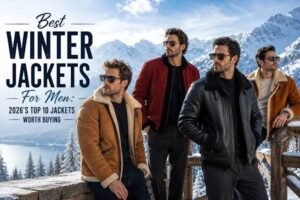
Why Choosing the Right Winter Jacket Matters
A winter jacket is an important investment because it protects your body from cold air, wind, rain, and snow. The wrong jacket can leave you uncomfortable during your daily commute or outdoor activities, even when temperatures are not extremely low. A coat that provides excellent insulation but lacks weather protection may perform poorly in wet snow or freezing rain. Similarly, a lightweight jacket may be convenient for travel but insufficient for prolonged exposure to freezing temperatures.
The right choice depends on how you plan to use the jacket. Someone who walks to work in Chicago may need substantial insulation, a protective hood, and a weather-resistant outer shell. A person living in Seattle may benefit more from a waterproof jacket that handles rain and cool temperatures. Meanwhile, someone in California may prefer a lightweight insulated jacket that works during chilly mornings and evenings.
Comfort is equally important. A jacket should allow enough room for sweaters and other layers without restricting movement. Features such as adjustable cuffs, insulated pockets, a high collar, and a well-designed hood can improve comfort considerably. The best winter jackets combine these practical details with durable construction and a style that suits everyday wear.
Price also matters, but it should not be the only deciding factor. A moderately priced jacket that matches your climate may provide better value than an expensive expedition parka designed for conditions you rarely experience. Before purchasing a coat, consider your typical winter temperatures, exposure to precipitation, activity level, and how frequently you expect to wear it.
1. Patagonia Stormshadow Parka: Best Premium Winter Jacket
The Patagonia Stormshadow Parka is an excellent option for shoppers who want premium winter protection, refined styling, and carefully designed materials. It is particularly appealing to people who experience cold, wet weather and need a jacket suitable for both urban environments and outdoor activities.
The Stormshadow combines down insulation with a waterproof and breathable GORE-TEX shell. This construction helps provide warmth while protecting against rain, snow, and wind. Its design focuses on delivering substantial insulation without making the jacket unnecessarily bulky. For people who regularly face harsh winter weather, this combination can be more useful than a thick coat that offers warmth but limited moisture protection.
Another advantage is versatility. The Stormshadow has a relatively streamlined appearance, making it suitable for commuting, traveling, walking around town, and casual outdoor activities. Its design can work with jeans, winter boots, sweaters, and other everyday clothing. This versatility is valuable for shoppers who want one premium jacket for multiple situations rather than separate coats for work and weekends.
However, the Stormshadow belongs to the premium price category. It may not be the best choice for someone who only needs occasional protection from mild cold. Its technical materials and construction are most worthwhile for people who frequently encounter challenging weather and appreciate high-quality outerwear.
Before buying, compare the available sizes and check the current price. Consider whether you genuinely need its advanced waterproof protection and premium construction. If your winter is relatively mild, a less expensive insulated jacket may offer sufficient warmth.
Overall, the Patagonia Stormshadow Parka is worth considering for buyers who prioritize weather protection, quality construction, and a polished appearance.
2. The North Face McMurdo Down Parka: Best for Extremely Cold Weather
The North Face McMurdo Down Parka is a strong choice for people who need substantial warmth during cold American winters. It is particularly suitable for residents of northern states, including Minnesota, Wisconsin, Michigan, New York, and parts of New England, where winter temperatures can remain low for extended periods.
The McMurdo combines down insulation with a waterproof and breathable DryVent outer material. Its longer parka-style design provides more coverage than a traditional waist-length puffer. That additional coverage can help protect the hips and upper thighs from cold air, making the jacket useful for walking outdoors, commuting, and spending time in snowy conditions.
The jacket’s practical design is another advantage. Multiple pockets provide room for everyday essentials, while the hood offers additional protection around the head and neck. A well-designed hood can be particularly helpful when cold wind makes an ordinary hat insufficient.
Because the McMurdo emphasizes warmth and coverage, it is generally heavier and bulkier than lightweight insulated jackets. This may not be a problem for everyday winter wear, but it can become inconvenient during travel or activities that require unrestricted movement. People who spend much of their time indoors may also find it too warm for short trips between heated buildings.
When choosing this parka, consider your local winter temperatures and how much time you spend outside. If you regularly walk long distances in freezing weather, the additional insulation and coverage may be valuable. If your climate is milder, a lighter jacket could be more comfortable.
The North Face McMurdo Down Parka is best for buyers who want a warm, protective winter coat that can handle demanding cold-weather conditions without requiring a highly specialized mountaineering design.
3. REI Co-op Stormhenge Down Hybrid Parka: Best Value for Money
The REI Co-op Stormhenge Down Hybrid Parka is one of the most appealing options for shoppers seeking a balance between performance and price. Winter jackets with advanced insulation and waterproof construction can become expensive, but this model offers features that make it competitive with more costly alternatives.
The Stormhenge uses a combination of down and synthetic insulation. Down provides warmth with relatively little weight, while synthetic insulation can help maintain performance in areas exposed to moisture. The jacket also uses a waterproof outer construction intended to protect against rain and snow. This combination makes it suitable for changing winter weather, especially in places where cold temperatures and precipitation frequently occur together.
Its versatility makes it useful for commuting, casual walks, travel, and everyday winter errands. It offers substantial protection without the extreme bulk associated with some expedition-style parkas. People who want one jacket for several winter situations may find this balance particularly attractive.
The Stormhenge is also worth considering for shoppers who do not want to pay premium prices simply for a luxury brand name. A well-designed midrange jacket can provide sufficient warmth and weather protection for ordinary winter use without requiring the expense of a specialized technical coat.
Nevertheless, the best value depends on individual needs. Someone living in an area with prolonged subzero temperatures may prefer a heavier parka. A person who needs a lightweight jacket for high-intensity outdoor exercise may find the Stormhenge less convenient than a technical insulated layer.
Before purchasing, examine the available version, fit, insulation details, and current price. Product specifications and availability can change, so make sure you are comparing the correct model.
For many American shoppers, the REI Co-op Stormhenge Down Hybrid Parka deserves a place near the top of the winter jacket shortlist because it combines useful features with a comparatively accessible price.
4. Fjällräven Nuuk Parka: Best for Windy and Wet Winters
The Fjällräven Nuuk Parka is designed for people who want substantial coverage and dependable protection in challenging winter conditions. Its longer silhouette, insulated construction, and practical features make it particularly appealing for everyday use in cold, windy environments.
One of the Nuuk’s main strengths is its synthetic insulation. Unlike traditional down, synthetic insulation generally retains more of its insulating ability when damp. This can be helpful in areas where winter weather frequently alternates between snow, rain, sleet, and melting ice. The jacket’s weather-resistant construction provides additional protection against uncomfortable conditions.
The parka’s longer cut offers more coverage than many standard jackets. This is useful for people who walk to work, wait for public transportation, or spend extended periods outdoors. Its generous pocket arrangement is another practical advantage, giving wearers space for gloves, phones, keys, and other small essentials.
Fjällräven also emphasizes functional design. The Nuuk has a rugged appearance that suits casual winter clothing, outdoor activities, and everyday urban wear. Its style is less focused on a sleek athletic silhouette and more focused on coverage and practical utility.
However, the Nuuk is relatively substantial compared with lightweight puffers. It may feel heavy for people who prefer minimalist clothing or need a jacket that can be packed into a small bag. Its price may also be higher than some alternatives, particularly when compared with basic insulated coats.
The Nuuk is worth considering if you live in a cold region with frequent wind and precipitation. It is especially useful for shoppers who prioritize coverage, practical pockets, and synthetic insulation over minimum weight.
For everyday winter conditions, the Fjällräven Nuuk Parka offers a compelling combination of warmth, weather protection, and durable outdoor styling.
5. Columbia Landroamer II: Best for Everyday Winter Wear
The Columbia Landroamer II is a practical option for shoppers who want a comfortable jacket for ordinary winter activities without necessarily purchasing an expensive technical parka. It is particularly suitable for people who experience moderately cold conditions and need dependable outerwear for commuting, errands, and casual outdoor use.
Columbia is widely associated with accessible outdoor clothing, and its products often emphasize practical features at approachable price points. The Landroamer II has a casual design that works well with everyday outfits. Its relatively roomy fit can also be useful for people who prefer wearing sweaters or fleece layers underneath their jackets.
For many people, a winter coat does not need to be designed for extreme mountaineering. It simply needs to provide adequate warmth during morning commutes, evening walks, and outdoor activities that last a reasonable amount of time. A practical everyday jacket can meet these requirements without the extra weight or cost of a specialized expedition coat.
The Landroamer II is particularly appealing for buyers who want a versatile jacket for casual settings. It can be paired with jeans, boots, sweatshirts, and other comfortable clothing. Its straightforward design may also appeal to people who prefer understated outdoor fashion rather than highly technical-looking apparel.
Nevertheless, the jacket should be matched to the weather. People who regularly experience severe cold, heavy snowfall, or prolonged exposure to freezing wind may need a warmer and more protective model. A casual insulated jacket should not automatically be treated as equivalent to a heavy-duty winter parka.
When comparing the Landroamer II with other jackets, check the current insulation, weather-resistance specifications, and available features. Consider whether you will mainly wear it during short outdoor trips or for extended periods in the cold.
For buyers seeking a practical everyday winter jacket, the Columbia Landroamer II is a sensible option to investigate.
6. Patagonia Jackson Glacier Parka: Best for Urban Winter Style
The Patagonia Jackson Glacier Parka is designed for shoppers who want a winter coat that combines weather protection with a more refined appearance. Its streamlined styling makes it particularly suitable for city life, commuting, travel, and everyday activities where appearance matters alongside warmth.
Unlike highly technical mountaineering jackets, the Jackson Glacier Parka has a relatively understated design. This allows it to fit naturally into a casual or smart-casual wardrobe. It can be worn with jeans, trousers, sweaters, and winter boots without looking excessively sporty.
The jacket uses down insulation and a weather-resistant outer construction intended to provide warmth during cold-weather activities. Its longer design offers additional coverage compared with many waist-length puffers. For urban residents who regularly walk between public transportation, offices, shops, and restaurants, this can be a useful combination.
The Jackson Glacier Parka is especially appealing to people who want a single coat that looks appropriate in different settings. A highly technical jacket may be excellent for outdoor adventures but feel out of place in some professional or social environments. A streamlined parka provides a more adaptable appearance.
However, buyers should evaluate the jacket according to their climate. A stylish parka is not automatically the warmest option for prolonged exposure to extreme cold. Its performance will depend on the exact model, fit, layering system, and prevailing weather conditions.
Price is another consideration. Patagonia’s outerwear often sits above basic budget options, so shoppers should decide whether its construction, design, and versatility justify the additional expense.
The Jackson Glacier Parka is a strong candidate for urban buyers who want a practical winter coat that offers warmth while maintaining a clean, understated style.
7. Patagonia Tres 3-in-1 Parka: Best Versatile Winter Jacket
The Patagonia Tres 3-in-1 Parka is an attractive choice for people who want one outerwear system that can adapt to different temperatures and weather conditions. Instead of relying on a single fixed layer, its design combines an insulated inner jacket with an outer shell that can be worn together or separately.
This construction creates several useful configurations. The insulated layer can be worn on its own during cool, dry weather. The shell can be used when rain or wind protection is needed without substantial insulation. When temperatures fall, both layers can be combined to provide more complete winter protection.
This flexibility can be valuable in parts of the United States where the weather changes considerably throughout the year. Someone living in a region with chilly autumn mornings, wet spring weather, and cold winter days may appreciate being able to adapt the jacket rather than purchasing several separate coats.
The Tres 3-in-1 Parka also offers a relatively polished appearance. Its longer design makes it suitable for commuting and everyday urban wear, while its adaptable construction provides practical benefits for travel. Instead of packing multiple jackets for a trip with changing weather, a traveler may be able to rely on the interchangeable layers.
However, a three-in-one jacket may cost more initially than a basic insulated coat. It also requires the wearer to manage multiple layers and understand how they fit together. People who mainly experience consistent winter temperatures may not need this degree of flexibility.
Before buying, consider whether you will genuinely use the separate configurations. If you frequently move between different climates or travel during transitional seasons, the added versatility may justify the cost.
The Patagonia Tres 3-in-1 Parka is particularly well suited to buyers who value adaptability, weather protection, and year-round practicality.
8. Arc’teryx Atom Hoody: Best Lightweight Insulated Jacket
The Arc’teryx Atom Hoody is an excellent option for people who want lightweight insulation without the bulk of a traditional winter parka. It is particularly suitable for active users who need freedom of movement during walking, hiking, travel, and other outdoor activities.
The Atom line focuses on synthetic insulation and versatile layering. Synthetic insulation is often useful for active outdoor wear because it can continue providing meaningful warmth in damp conditions and does not require the same handling considerations as traditional down. The jacket’s relatively streamlined design also makes it easier to wear beneath a weatherproof shell when conditions become more demanding.
One of its main advantages is versatility. It can work as an outer layer during cool, dry weather or as an insulating middle layer beneath a waterproof jacket. This makes it useful for people who participate in outdoor activities throughout the year rather than wearing a heavy winter coat only during the coldest months.
The Atom Hoody is also appealing to travelers because lightweight insulation is generally easier to pack than a large parka. People who need to move between airports, public transportation, hotels, and outdoor destinations may appreciate a jacket that provides warmth without occupying too much space.
However, the Atom Hoody should not be confused with a heavy-duty winter coat. Its warmth depends on the conditions, the amount of insulation in the particular version, and the layers worn underneath. In severe winter weather, a heavier insulated jacket or a combination of insulating and waterproof layers may be necessary.
Its premium price is another factor to consider. Budget-conscious shoppers may find less expensive synthetic jackets that adequately meet their everyday needs.
For active buyers who value mobility, lightweight warmth, and layering flexibility, the Arc’teryx Atom Hoody is a strong option for 2026.
9. Columbia Heavenly Hoody: Best Option for Women on a Budget
The Columbia Heavenly Hoody is a popular style to consider for women who want a comfortable insulated jacket for everyday cold-weather use. Its practical design makes it suitable for commuting, shopping, casual walks, and other activities where lightweight warmth is important.
Columbia’s Heavenly collection focuses on wearable insulation and everyday comfort. A jacket in this category can be a sensible choice for people who want warmth without the weight and bulk of an expedition-style parka. The hood also provides useful additional coverage during chilly mornings and windy afternoons.
The Heavenly Hoody is particularly appealing to shoppers who prefer a jacket that can transition easily between different everyday situations. It can be worn with jeans, leggings, casual trousers, and winter boots. Its relatively approachable design also makes it useful for people who do not need highly technical features for skiing or mountaineering.
For people who spend most of their time indoors and only need a coat for short outdoor trips, a lightweight insulated jacket may be more comfortable than a very heavy parka. It is easier to carry when entering heated buildings and may be more convenient during travel.
However, the Heavenly Hoody is not necessarily the best option for prolonged exposure to severe winter weather. Its suitability depends on the exact version, insulation, fit, and weather conditions. People who experience heavy snowfall or very low temperatures should check whether the jacket provides enough protection for their needs.
Price and availability can change throughout the season, so compare the current model with similar jackets before purchasing. Pay attention to warmth, water resistance, hood design, and whether the fit allows room for additional layers.
For women seeking a practical insulated jacket for ordinary winter activities, the Columbia Heavenly Hoody is worth considering, particularly when available at a competitive price.
10. REI Co-op Campwell Down Parka: Best for Comfortable Everyday Warmth
The REI Co-op Campwell Down Parka is another option for shoppers who want an insulated coat designed around everyday comfort. It is especially relevant for people who need warmth for winter errands, commuting, and casual outdoor activities without necessarily investing in a highly specialized technical jacket.
Down insulation is valued for its ability to provide substantial warmth relative to its weight. When properly constructed and kept reasonably dry, a down parka can offer comfortable insulation without feeling excessively heavy. A longer design can also provide more coverage than a conventional short puffer.
The Campwell is worth considering for shoppers who want an everyday winter coat with a more relaxed feel. Such a jacket can be useful for people who spend time walking through neighborhoods, visiting outdoor markets, taking children to school, or traveling between work and home.
Another benefit of choosing an everyday parka is that it may be easier to integrate into a normal wardrobe. You do not necessarily need technical outdoor clothing to stay warm during ordinary winter activities. A practical coat with suitable insulation, a comfortable fit, and a protective hood may be enough for many situations.
However, down insulation requires sensible care. If a down jacket becomes thoroughly wet, its insulating performance can decrease until it dries properly. Buyers who regularly experience wet snow and freezing rain should consider the quality of the outer fabric and whether a waterproof shell is necessary.
The Campwell should also be evaluated according to the local climate. Someone who experiences extremely cold temperatures for long periods may need a heavier parka, while someone living in a milder region may prefer a lighter jacket.
The REI Co-op Campwell Down Parka is a useful option to compare when comfort, everyday warmth, and value are the main priorities.
11. Rab Neutrino Pro: Best for Lightweight Warmth in Cold Conditions
The Rab Neutrino Pro is designed for people who need substantial insulation without carrying an extremely heavy jacket. It is particularly relevant to outdoor enthusiasts who experience cold, dry conditions and value warmth relative to weight.
The Neutrino Pro uses high-fill-power down insulation, which allows it to provide considerable warmth without relying entirely on a bulky construction. High-fill-power down can trap a large amount of air relative to its weight, helping create an effective insulating layer.
This makes the jacket attractive for activities such as winter hiking, mountaineering, cold-weather camping, and other situations where carrying unnecessary weight can become tiring. Its hood and insulating construction are designed to support warmth in challenging conditions.
For people who regularly experience freezing temperatures, a lightweight but highly insulated jacket can be more convenient than a heavy everyday parka. It may also be easier to pack for outdoor trips when space is limited.
However, the Neutrino Pro is not necessarily the best choice for every American winter. Its outer fabric is not designed to replace a fully waterproof shell in sustained rain or wet snow. People who encounter changing precipitation may need to carry a waterproof layer or choose a jacket designed specifically for wet conditions.
It may also be more specialized than necessary for everyday commuting. Someone who spends only a few minutes outside at a time may find a standard insulated coat more practical and less expensive.
Before buying, consider the difference between insulation and weather protection. A jacket can provide excellent warmth while still requiring a separate waterproof layer.
The Rab Neutrino Pro is best suited to buyers who value high warmth-to-weight performance and regularly spend time outdoors in cold conditions.
12. L.L.Bean Maine Warden’s 3-in-1 Parka: Best for Changing Winter Conditions
The L.L.Bean Maine Warden’s 3-in-1 Parka is worth considering for shoppers who want a traditional winter coat with substantial warmth and adaptable weather protection. Its layered construction is designed to serve different needs depending on whether the wearer uses the insulated layer alone, the outer shell, or both together.
The ability to combine layers is useful in areas where temperatures and precipitation vary significantly. Instead of wearing the same heavy coat throughout the year, users can adjust their clothing to match the conditions.
A protective outer shell can be especially useful when winter weather includes wet snow, rain, or strong wind. The insulated layer adds warmth when temperatures fall. This combination can make a three-in-one parka practical for commuting, travel, outdoor work, and general winter activities.
L.L.Bean has a long-standing reputation for traditional outdoor clothing, and the Maine Warden’s design emphasizes utility and coverage. It may appeal to shoppers who prefer a classic parka rather than a sleek athletic jacket.
One consideration is weight. Layered parkas can be heavier than minimalist insulated jackets, which may make them less convenient for packing or high-intensity activities. They may also cost more than basic winter coats, although their versatility can make the purchase worthwhile for some users.
Before choosing this model, check the current version’s insulation, shell construction, fit, and price. Make sure its features match the weather conditions you regularly encounter.
The Maine Warden’s 3-in-1 Parka is a sensible choice for buyers who want a traditional winter coat with flexible layering and strong coverage.
13. Canada Goose Expedition Parka: Best Premium Option for Severe Cold
The Canada Goose Expedition Parka is designed for demanding cold-weather environments and is associated with substantial insulation, protective coverage, and premium outerwear construction. It may appeal to buyers who experience severe winter temperatures or want a specialized parka for extended outdoor exposure.
Its expedition-inspired design prioritizes warmth and protection rather than minimum weight. The substantial construction and longer coverage can help reduce heat loss when temperatures fall dramatically. A protective hood and carefully designed closures are also important features in jackets intended for cold and windy conditions.
However, an expedition parka is not automatically the best purchase for every person living in the United States. In milder climates, its insulation may be excessive for ordinary daily activities. Wearing an extremely warm coat in temperatures that are only slightly below freezing can cause discomfort, especially when moving between heated buildings and outdoor environments.
The price is another major consideration. Premium expedition parkas can cost significantly more than ordinary winter jackets. Buyers should determine whether the specialized warmth, construction, and design justify the expense.
Weight and bulk should also be considered. A heavy parka may be excellent for standing outdoors in freezing conditions but less convenient for public transportation, driving, or activities requiring frequent movement.
When considering Canada Goose, compare the specific model with less expensive alternatives that offer sufficient insulation. Evaluate the jacket according to your actual climate rather than assuming that a higher price always means a better fit for your needs.
The Expedition Parka is best suited to people who genuinely need substantial cold-weather protection and are comfortable investing in premium outerwear. For ordinary winter commuting, a more moderately priced parka may provide better overall value.
14. Columbia Delta Ridge II Down Jacket: Best Lightweight Down Jacket
The Columbia Delta Ridge II Down Jacket is worth considering for shoppers who want the warmth of down insulation in a relatively conventional jacket design. It can be a practical choice for everyday winter wear, travel, and outdoor activities that do not require an extremely heavy parka.
Down jackets are popular because they can provide useful warmth without excessive weight. This makes them convenient for people who want a comfortable insulating layer during chilly mornings, outdoor walks, and weekend trips.
A lightweight down jacket is also easier to wear when moving between indoor and outdoor environments. Unlike a large parka, it may be more comfortable to carry when entering a heated building or sitting in a car.
The Delta Ridge II is particularly relevant for shoppers who prefer a classic puffer silhouette. Its style can work with jeans, casual trousers, sweaters, and outdoor clothing. Depending on the exact version, features such as a hood, adjustable details, and a water-resistant outer finish may add practicality.
However, lightweight down jackets have limitations. They may not provide enough coverage or insulation for prolonged exposure to severe cold. Down can also lose much of its insulating loft when thoroughly wet, so people living in rainy regions should consider weather protection carefully.
The Delta Ridge II should therefore be viewed as an everyday insulated jacket rather than a universal replacement for every type of winter coat. Its suitability depends on the temperature, wind, precipitation, and length of time spent outside.
For shoppers seeking lightweight warmth and a familiar puffer style, the Columbia Delta Ridge II is a model worth comparing with other down jackets available in 2026.
How to Choose the Best Winter Jacket in the USA
Selecting the right winter jacket begins with understanding the weather conditions you regularly experience. The United States includes several different winter climates, and a jacket that works well in one region may be uncomfortable or insufficient in another.
A person living in northern Minnesota may need substantial insulation and strong wind protection. Someone in the Pacific Northwest may prioritize waterproof construction because of frequent rain and damp conditions. Residents of the Mid-Atlantic region may prefer a versatile coat that handles cold mornings, occasional snow, and changing temperatures.
Your lifestyle is equally important. People who commute by car may spend relatively little time outside, making a moderately insulated jacket sufficient. Those who walk, cycle, wait for public transportation, or work outdoors may need more protection. Outdoor enthusiasts should consider jackets designed for their specific activities.
Before purchasing, evaluate insulation, weather resistance, fit, length, hood design, pockets, durability, and price. A jacket with the right combination of these features will usually be more useful than one selected solely because it is popular.
Understand Your Local Winter Climate
Your local climate should be the starting point for any winter jacket purchase. Although national weather forecasts provide a general picture, actual conditions vary by city, elevation, proximity to water, and exposure to wind.
In the Northeast, winters can include snowstorms, freezing rain, and extended periods of low temperatures. A longer parka with substantial insulation and a protective outer shell may be suitable for people who regularly spend time outside.
The Midwest often experiences strong winds and sudden temperature changes. In these conditions, a jacket that blocks wind effectively can make a major difference in comfort. A high collar, adjustable cuffs, and a close-fitting hood can help reduce exposure.
The Pacific Northwest is known for wet winter weather in many areas. A waterproof jacket with adequate insulation can be more practical than a thick down coat with limited moisture protection.
In the South, winter conditions are often milder, although cold snaps can occur. A lightweight insulated jacket or versatile midweight coat may be sufficient for many residents.
Mountain regions present additional challenges because temperatures can drop quickly and weather conditions may change within a short distance. People who spend time at high elevations should consider a layered system that combines insulation with reliable weather protection.
Choose Between Down and Synthetic Insulation
Down and synthetic insulation are two of the most common choices for winter jackets. Each has advantages, and the better option depends on the weather and intended use.
Down insulation is made from the soft clusters found beneath the outer feathers of ducks or geese. These clusters trap air and create an insulating layer that helps retain body heat. High-quality down can provide excellent warmth relative to its weight, making it attractive for lightweight jackets and cold-weather parkas.
Down jackets are often compressible, which makes them convenient for travel and outdoor activities. They can also feel comfortable and lightweight when designed well. However, down performs less effectively when it becomes thoroughly wet because moisture can reduce its loft.
Synthetic insulation is manufactured from fibers designed to trap air. It generally maintains more of its insulating performance in damp conditions than untreated down and is often easier to care for. Synthetic jackets can also be more affordable, although performance varies between products.
For people living in wet regions, synthetic insulation may be particularly practical. For those who experience dry, cold weather and want maximum warmth relative to weight, down can be an excellent option.
Some jackets combine the two approaches. Hybrid insulation uses down in selected areas and synthetic insulation where moisture or movement may be more of a concern.
The right choice should reflect your climate, budget, and intended activities rather than a general assumption that one material is always superior.
Check Waterproof and Water-Resistant Features
Waterproofing is an important consideration for people who experience rain, wet snow, sleet, or freezing rain. A jacket may have excellent insulation but still leave you uncomfortable if moisture penetrates its outer construction.
Water-resistant fabrics can repel light precipitation for a limited period. They are useful during brief showers and ordinary everyday conditions, but they should not automatically be treated as fully waterproof.
Waterproof jackets generally use a protective membrane or coating, often combined with construction techniques designed to reduce water penetration. Some models include sealed seams, protective closures, and adjustable features that help keep moisture out.
Breathability also matters. When you walk quickly or participate in outdoor activities, your body produces heat and moisture. A breathable jacket allows some water vapor to escape, helping reduce the damp feeling that can develop inside an insulated coat.
If you live in a rainy region, prioritize waterproof construction. If you live in a dry climate and mainly encounter cold air, a water-resistant jacket may be sufficient.
Always check the manufacturer’s specifications for the exact model. Marketing descriptions such as weather-resistant, water-repellent, and waterproof do not necessarily mean the same thing.
Select the Right Jacket Length
Winter jackets come in different lengths, from short waist-length puffers to coats that extend below the hips or toward the knees.
Short jackets offer mobility and are often convenient for driving, travel, and active outdoor use. They are generally easier to pack and may feel less restrictive during exercise.
Mid-length jackets provide a balance between coverage and movement. They can protect the lower back and hips while remaining practical for commuting and everyday activities.
Long parkas provide more coverage for the upper thighs and sometimes the knees. This can be especially useful in cold, windy environments where exposed areas can become uncomfortable quickly.
However, longer jackets can weigh more and may be less convenient for people who move frequently between indoor and outdoor environments. They can also be awkward during activities that require significant leg movement.
Consider how you will use the jacket before choosing a length. For everyday commuting in a cold city, a mid-length or long parka may be ideal. For active outdoor pursuits, a shorter insulated jacket may provide better mobility.
Pay Attention to Fit and Layering
A winter jacket should fit comfortably while leaving enough room for the clothing you plan to wear underneath. A coat that is too tight can restrict movement and compress insulating layers. A coat that is excessively loose may allow cold air to enter through openings.
When trying on a jacket, wear a sweater or midlayer similar to what you would normally use in winter. Zip the jacket completely and move your arms in different directions. Check whether the shoulders, chest, and elbows feel comfortable.
The sleeves should provide adequate coverage when your arms are extended. The cuffs should fit securely enough to reduce drafts without becoming uncomfortable.
Consider the hood as well. It should fit comfortably around your head and remain secure when adjusted. If you wear a hat regularly, make sure the hood accommodates it.
Layering can improve warmth without requiring a single extremely heavy jacket. A base layer helps manage moisture, a middle layer provides insulation, and an outer shell protects against wind and precipitation.
This approach is especially useful for people who move between different temperatures throughout the day.
Best Winter Jackets for Different Budgets
Winter jackets are available at a wide range of prices. The most expensive models often include premium materials, advanced weatherproofing, specialized insulation, or additional design features. However, buyers do not necessarily need to spend several hundred dollars to find a useful winter coat.
Budget-Friendly Jackets
Budget-conscious shoppers should prioritize adequate insulation, a comfortable fit, and sufficient weather protection. Basic insulated puffers and synthetic jackets can provide useful warmth for commuting and everyday activities.
Columbia offers several models worth comparing in this category, including the Landroamer II and Heavenly Hoody. The REI Co-op Campwell range is another option to investigate, depending on the current model and available price.
At lower price points, pay close attention to construction quality. Examine the stitching, zipper operation, cuff design, hood attachment, and outer fabric. A jacket that looks attractive but allows cold air to enter may not be a good value.
It is also worth checking seasonal discounts. Retailers often reduce prices on selected colors and sizes, particularly as the winter season progresses.
Midrange Winter Jackets
Midrange jackets often provide a useful balance between insulation, durability, and weather protection. They may include improved materials, better-fitting hoods, more practical pockets, and more sophisticated insulation systems than basic models.
The REI Co-op Stormhenge Down Hybrid Parka is a notable option for buyers who want substantial functionality without paying the highest premium prices. Depending on current availability, other jackets from Columbia, The North Face, and similar outdoor brands may also offer good value.
When comparing midrange models, evaluate their features rather than focusing only on brand recognition. A jacket with effective insulation and a suitable waterproof shell may be more useful than a more expensive model that lacks the protection you need.
Premium Winter Jackets
Premium jackets often use advanced shell materials, high-quality insulation, and more refined construction. They may be designed for demanding winter conditions, technical outdoor activities, or buyers who want a long-lasting piece of outerwear.
The Patagonia Stormshadow Parka, Arc’teryx Atom Hoody, and selected Canada Goose parkas represent different approaches to premium outerwear. The Stormshadow emphasizes insulated weather protection, the Atom focuses on lightweight versatility, and expedition-style parkas prioritize substantial warmth.
These products are not interchangeable. A lightweight technical jacket may cost a premium because of its materials and performance characteristics without being as warm as a heavy parka.
Before investing in expensive outerwear, determine whether you will use its specialized features regularly. If you mainly need a coat for short walks in a mild climate, a less expensive option may provide better overall value.
Best Winter Jackets for Men and Women
Many winter jackets are offered in men’s and women’s versions, while some models are available in designs intended for a broad range of wearers. The right choice depends on fit, insulation, coverage, and personal preference.
Best Winter Jackets for Men
Men shopping for winter jackets should consider the weather conditions they face and the type of fit they prefer. A jacket designed for extreme cold may be ideal for outdoor work or winter travel, while a lighter coat may be more comfortable for city commuting.
The North Face McMurdo Down Parka is worth considering for substantial warmth and coverage. The Patagonia Stormshadow Parka is appealing to buyers who want premium weather protection. The REI Co-op Stormhenge Down Hybrid Parka is a strong alternative for shoppers seeking a balance between price and performance.
For active users, the Arc’teryx Atom Hoody offers lightweight insulation and layering flexibility. The Columbia Landroamer II may be more suitable for casual everyday use in moderately cold conditions.
Fit should not be overlooked. Men with broad shoulders may need a cut that accommodates movement without pulling across the chest. Those who prefer a slim silhouette should ensure that the jacket still allows sufficient room for winter layers.
Best Winter Jackets for Women
Women shopping for winter jackets have a similarly wide range of options, including insulated puffers, long parkas, lightweight technical jackets, and versatile everyday coats.
The Outdoor Research Coze Down Parka is worth considering for people who want extensive coverage, while the REI Co-op Stormhenge range offers a practical combination of insulation and weather protection. The Columbia Heavenly Hoody is another option for women who prefer a lightweight insulated jacket.
Longer coats can be useful for people who experience freezing temperatures and strong winds. Shorter jackets may be more comfortable for driving, travel, and active outdoor activities.
Women’s jackets are not always interchangeable with men’s versions because their cuts may differ around the shoulders, chest, waist, and hips. However, the best choice is the one that fits comfortably and provides the required protection.
When trying on a coat, consider whether the sleeves remain long enough during movement and whether the hips and shoulders feel comfortable when the jacket is zipped. The hood should also provide adequate coverage without restricting visibility.
Common Mistakes to Avoid When Buying a Winter Jacket
One of the most common mistakes is choosing a jacket based entirely on appearance. Style matters, but a fashionable coat may not provide enough warmth for the local climate. Before buying, evaluate insulation, weather resistance, coverage, and fit.
Another mistake is assuming that a high price guarantees the best performance. Premium jackets can offer excellent materials and construction, but their features may be unnecessary for people who experience mild winters. A well-selected midrange jacket may be more practical for everyday use.
Some shoppers also underestimate the importance of waterproofing. A heavily insulated jacket may become uncomfortable if moisture penetrates its outer construction. People living in wet climates should pay attention to the shell material and the manufacturer’s weather-protection claims.
Buying the wrong size is another frequent problem. A jacket that fits perfectly over a thin shirt may feel restrictive over a sweater. Try it with the layers you intend to wear during winter.
Ignoring weight and bulk can also lead to disappointment. A heavy parka may be excellent for standing outdoors in severe cold but inconvenient for travel or active movement. Conversely, an ultralight jacket may be insufficient for long periods in freezing temperatures.
Finally, buyers sometimes neglect maintenance requirements. Down jackets, waterproof shells, and synthetic insulated coats may require different cleaning methods. Check the care label before washing the garment, and avoid using cleaning products that could damage specialized materials.
How to Care for Your Winter Jacket
Proper care can help preserve a winter jacket’s comfort, appearance, and insulating performance. The appropriate cleaning method depends on the jacket’s materials and construction, so the manufacturer’s care instructions should always be the starting point.
For everyday maintenance, allow the jacket to dry thoroughly after exposure to snow or rain. Avoid storing a damp jacket in a closed bag or crowded closet for extended periods. Moisture can contribute to unpleasant odors and may affect certain materials.
Down jackets require particular attention because their insulating clusters need to retain their loft. Follow the care label carefully when washing or drying them. Some down products can be machine-washed using appropriate settings and detergent, but improper washing or incomplete drying can damage their performance.
Synthetic insulated jackets are often easier to care for, although their requirements still vary by model. Avoid assuming that every jacket can be washed in the same way.
Waterproof jackets may eventually lose some of their water-repellent performance as the outer finish wears down. Some garments can benefit from a suitable water-repellent treatment when recommended by the manufacturer.
Store jackets in a clean, dry place. Avoid compressing down insulation for unnecessarily long periods, as prolonged compression can affect its loft. Before winter begins, inspect the zipper, cuffs, seams, hood adjustments, and pockets.
Regular maintenance is particularly important for expensive jackets. A little attention can help preserve their usefulness over multiple winter seasons.
Are Expensive Winter Jackets Worth Buying in 2026?
Whether an expensive winter jacket is worth buying depends on how often you will use it and what conditions it must handle. A premium coat may be a sensible investment for someone who spends several hours outdoors during freezing weather. For someone who only needs a jacket for occasional short trips, the same purchase may be difficult to justify.
Premium jackets can offer benefits such as advanced waterproof materials, durable construction, effective insulation, thoughtful pocket placement, and improved fit. These features can enhance comfort when used in the conditions for which the jacket was designed.
However, not every expensive jacket is equally suitable for every climate. A lightweight technical jacket may cost more than a basic coat because it is designed for active movement and layering, not because it provides the greatest possible warmth.
Budget and midrange jackets can perform well when their features match the intended use. Buyers should compare insulation, shell protection, coverage, weight, and construction rather than relying entirely on brand reputation.
Another factor is cost per use. A jacket worn almost every day for several winters may provide better long-term value than a cheaper coat that is uncomfortable or unsuitable and needs to be replaced quickly.
Before spending more, identify the features that matter most to you. If you need reliable waterproofing and substantial warmth, paying more for a suitable jacket may be worthwhile. If you mainly want a comfortable coat for mild winter conditions, a simpler design may be sufficient.
Where to Buy Winter Jackets in the USA
American shoppers can find winter jackets through brand-owned stores, outdoor retailers, department stores, and online clothing retailers. Each purchasing option has advantages, depending on whether you prioritize selection, fitting assistance, price comparisons, or convenience.
Brand-owned stores can be useful when you want to compare specific models and review their official product specifications. Outdoor retailers may offer a broader selection of jackets from different manufacturers, making direct comparisons easier.
Department stores and general clothing retailers may be good places to look for casual winter coats. Their collections can include insulated puffers, traditional coats, and fashion-focused designs suitable for everyday use.
Online shopping provides convenience and access to a wide range of colors, sizes, and models. However, sizing can vary between brands, so consult the measurement chart and return policy before ordering.
When purchasing online, check the exact product name and model year. Similar jackets may have different insulation, pocket layouts, shell materials, and weather-protection features. Product photographs alone may not reveal these differences.
Seasonal sales can provide opportunities to save money. Late-season discounts, holiday promotions, and clearance offers may reduce the price of selected jackets. However, discounts often apply only to particular sizes or colors.
Before placing an order, verify the seller’s reputation, return conditions, shipping costs, and warranty terms. Buying from an established retailer can make it easier to resolve problems involving incorrect sizing or defective products.
Final Recommendations: Which Winter Jacket Should You Buy in 2026?
The best winter jacket to buy in the USA in 2026 depends on your climate, budget, and intended use. There is no single model that will be ideal for everyone, but several jackets stand out for different reasons.
For buyers seeking premium weather protection, the Patagonia Stormshadow Parka is an excellent option to investigate. Its combination of down insulation and a waterproof GORE-TEX shell makes it appealing for people who regularly experience cold and wet weather.
For people who need substantial warmth during severe winters, the North Face McMurdo Down Parka is worth considering. Its longer design, insulation, and weather protection make it suitable for demanding everyday conditions.
For shoppers seeking value, the REI Co-op Stormhenge Down Hybrid Parka offers a useful combination of insulation and weather resistance. It is particularly appealing to people who want capable winter protection without moving immediately into the premium price category.
The Fjällräven Nuuk Parka is a strong candidate for cold, wet, and windy conditions, especially for buyers who appreciate synthetic insulation and extensive coverage. The Patagonia Jackson Glacier Parka is attractive to urban shoppers who want a more refined appearance, while the Tres 3-in-1 Parka offers flexibility for changing temperatures.
Active outdoor enthusiasts may prefer the Arc’teryx Atom Hoody or Rab Neutrino Pro, depending on whether lightweight synthetic insulation or high warmth-to-weight performance is more important. The Columbia Landroamer II and Columbia Heavenly Hoody are worth comparing for everyday use, while the REI Co-op Campwell Down Parka offers another option for comfortable insulated wear.
Before making a final decision, consider the lowest temperatures you regularly encounter, how much precipitation your region receives, and how long you typically remain outdoors. Check the current product specifications, fit, insulation, waterproofing, and price.
A well-chosen winter jacket should provide reliable comfort, suit your daily routine, and last through repeated use. By focusing on practical features rather than price or appearance alone, you can find a jacket that meets your needs throughout the 2026 winter season and beyond.
For More Information About Article, Click Here.
For More UseFul Articles, Click Here.